















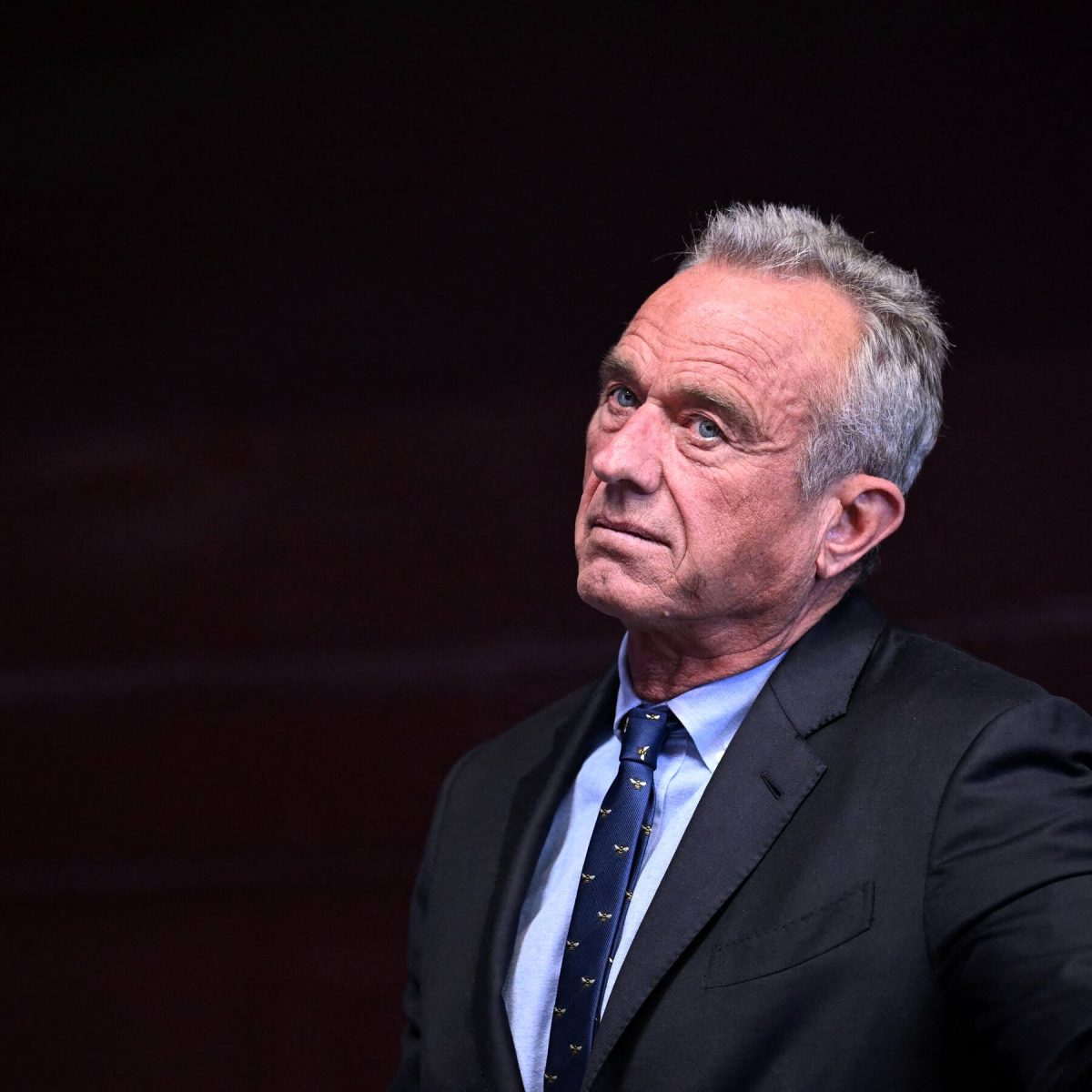
Robert F. Kennedy Jr. has (just) a few things right.
I know. It’s easy to immediately disregard health secretary nominee Kennedy given his deserved reputation of propagating provenly inaccurate medical information surrounding vaccines, HIV, and fluoride. Yet I believe that Kennedy may be one of our most important teachers as we see a vast transformation in America’s healthcare dynamics under the Trump administration.
Kennedy is a skilled questioner. He challenges commonly-accepted medical information and finds its faults. Kennedy doesn’t expect the true, verified medical information to fall into his lap. While Kennedy’s wariness often spirals into dangerous conspiracy and breeds medical misinformation, I do think his skepticism of the truth is admirable and potentially worth trying in our own lives.
He’s not wrong to question science, because sometimes the science is just wrong. For example, in the 1990s, scientists and the general public seriously believed that red wine was a heart-healthy drink and decreased death from cardiovascular disease. However, it was only decades later that researchers proved red wine was not heart-healthy—and it may even be damaging. I do believe in science, but it’s ever-evolving.
Nowadays, social media adds another layer of complexity to health information. On TikTok, the hashtag #healthcare has garnered 1.4 million posts alone. Hyper confident influencers persuasively and convincingly discuss skincare, dieting, exercise, and other medical decisions without training. Their inaccuracies are widespread. According to a University of Chicago study, 44% of TikTok videos related to sinusitis contain incorrect information.
Kennedy is acutely aware that our culture is flooded with untrustworthy medical information, but that we often don’t ask enough questions about what we do with our bodies. Most individuals simply cannot evaluate multiple scientific research papers and determine what’s true or not, whether because of time, education, language, or purely motivation barriers.
Part of Kennedy’s appeal is that he does the questioning for us.
In his own way, Kennedy questions the truth of commonly-accepted medical information. In 2023, he claimed that people of Chinese and Jewish descent were less susceptible to Covid-19, while white and black populations were more vulnerable. He thinks that fluoridated water causes IQ loss and bone fractures. Alarmingly, he believes that there is a link between vaccines and autism.
The only problem? The facts that Kennedy questions are actually…facts. Kennedy’s skepticism goes too far, manifesting itself into resistance to proven facts and science.
I fear that Kennedy, as the potential future secretary of the United States Department of Health and Human Services, will take dangerous advantage of everyday people’s media and health illiteracy. So, rather than letting Kennedy do the questioning, perhaps it’s time for us to take matters into our own hands.
In fact, we can learn from Kennedy by being wary of common or trendy medical information, which is now placed right into our hands on TikTok, Reddit, and other platforms. We shouldn’t be bone-smashing or dieting all day despite what popular influencers may say.
But our wariness cannot lead to damaging, false conspiracies like Kennedy’s does. To take it one step further, we must be healthy skeptics. We must seek the most updated information. We cannot take what government officials like Trump or Kennedy himself say at face value. We must unsubscribe from untrained social media ‘doctors’ and consult with licensed professionals. We must approach the health choices of ourselves and others with humility.