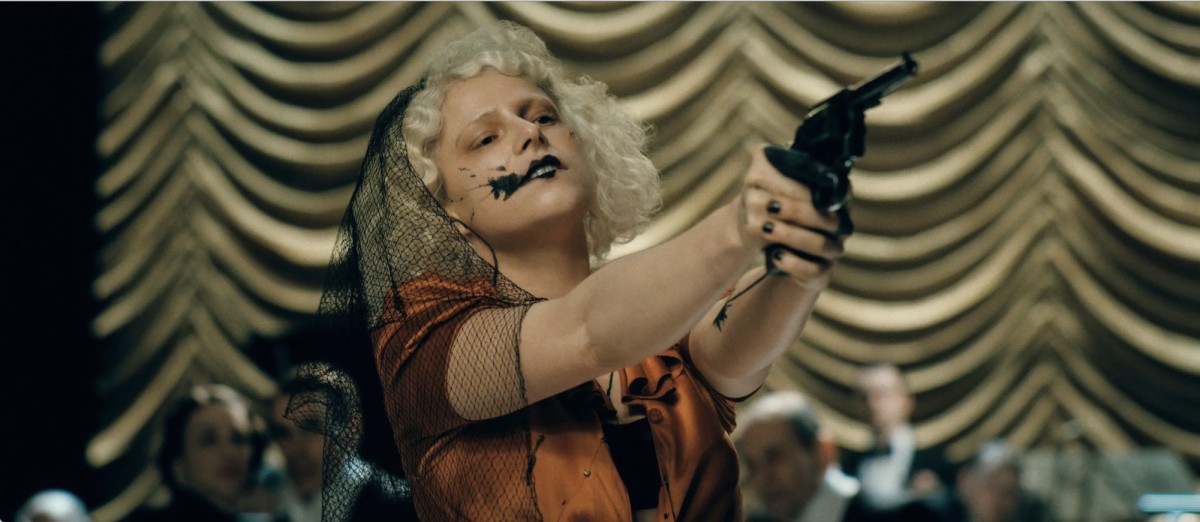
















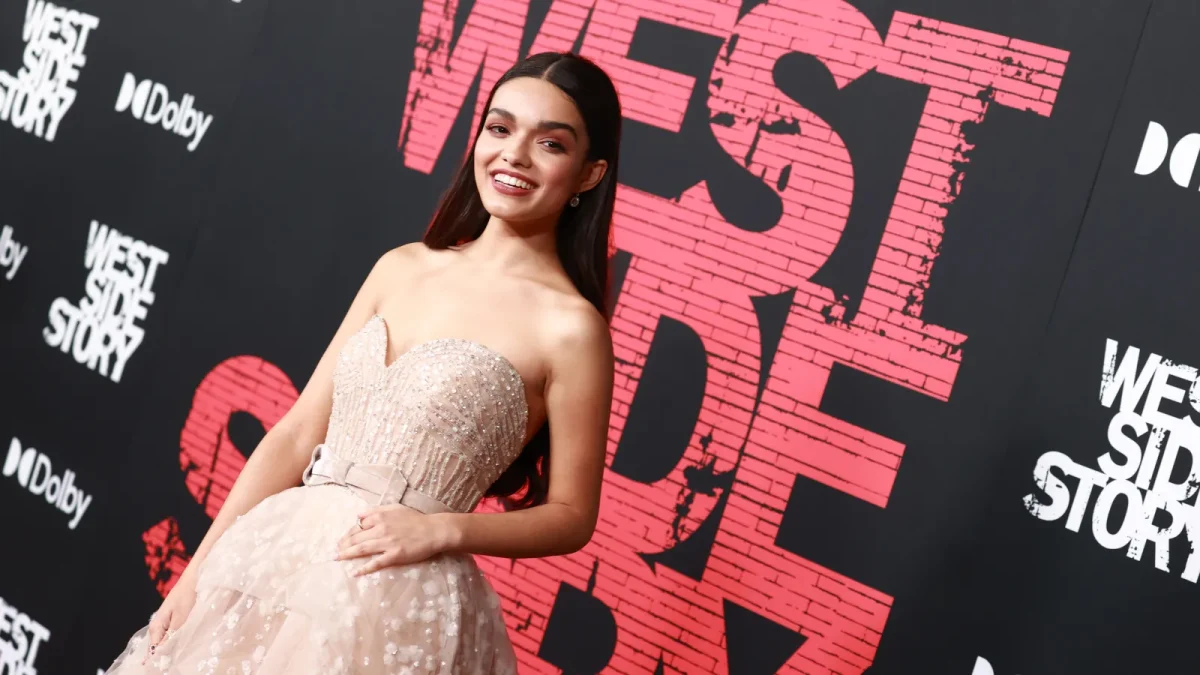
In an Instagram reel posted in late August, content creator “Ya Boi Shuggie” rips actress Rachel Zegler to shreds.
“Pretty much everybody hates her,” he says, while delivering a vicious rant of her as “an absolute PR nightmare” and a “young [actress]… who knows next to nothing at all.”
This video is among hundreds that target Zegler, a a 22-year-old American actress who has played leading roles in West Side Story (2021), the Shazam! sequel, and Hunger Games prequel. Over the past few months, the typically divided Internet has somehow united to bully Zegler for being “annoying” and “undeserving.” They’ve pulled interview clips of her out of context, pitted her against fellow Latina actress Jenna Ortega, and spread screenshots of exaggerated headlines to disinform viewers about her.
The backlash against Zegler gained traction this summer when her comments from Disney’s D23 Expo resurfaced and went viral. She was there to promote “Snow White,” which was then set to release in March 2024. When asked by Variety about “bringing a modern edge” to “Snow White,” Zegler responded that the updated character would not be “dreaming of true love.” TikTokers pulled these quotes out of context, saying that she destroyed the classic “fan-favorite” with “woke feminism” and encouraged viewers to boycott the movie.
If these TikTokers, who try to control Zegler’s whole story in a 10-second clip, watched the full interviews, they’d learn that Zegler frequently expresses her gratitude for her career and acting opportunities. She said she cried with pride and joy during the “Snow White” preview at D23 and talked about her excitement for the public to see the movie. TikTokers have a serious case of selective hearing on social media.
I’ve now watched hours of trolling TikTok videos, analyzed Zegler’s interviews, plunged into Reddit subthreads about her, and I cringe at how horribly the internet has treated her for small missteps. I know the internet is not the whole world; instead, it’s a reflective mirror. The internet’s recent behavior is breaking my faith in it.
At the core of the “Rachel Zegler hate train,” I see a successful young woman whose playful, assertive personality became an easy target for hateful people on the internet. Some of Zegler’s comments lacked nuance, sure. She isn’t perfect. My question is, why should she be? The demonization of young, rising, and imperfect women—which all people are—like Zegler is a pattern we need to break today.
There’s an elephant in the room: casting a Latina as Snow “White” is what I think is fueling the majority of the inordinate hate online. Social media users have ranged from calling her “Sand Brown,” to urging Disney to cast someone “more vibrant,” to cryptically commenting on a promotional photo, “her skin was white as snow.”
The racist backlash against Zegler’s casting is hateful and widespread. We saw the same situation for breakout actress Halle Bailey with The Little Mermaid, who was criticized for being a Black actress playing the traditionally white Disney princess. I wish that the hateful people online realized these young actresses of color are not stealing the old, classic animations away from anyone. Instead, they are building onto them with new stories, that fans have the full autonomy of choosing whether or not to watch.
Stepping back, I’ve realized that this is not an isolated situation. Instead, it is a pattern where social media users gang up against young women—of color, especially—on the rise. They look for a small misstep and latch onto it to drag her down.
In 2013, #HathaHate, a hate movement against actress Anne Hathaway, went viral on X after she won an Oscar for her Les Misérables movie remake. They called her annoying and princessy. After marrying Justin Bieber in 2018, model Hailey Bieber endured years of internet slander for “stealing” him from Selena Gomez. They called her fake and conniving. In 2019, as Captain Marvel rocketed towards a $1 billion box office gross, bloggers and YouTubers launched a hate campaign against leading actress Brie Larson. They called her too outspoken, specifically about diversity issues. That same year, upon joining the British royal family, Duchess Meghan Markle endured thousands of racist X posts that reached over 17 million users. They called her improper and a bully. Ironic, right?
To put it bluntly, I am deeply concerned that the internet bashes young women quickly because we’re unwilling to see their success. This is rooted in historical gender discrimination, where women have long been seen as incompetent and unfit to be anything other than what’s tradition.
Women are still at a sizable disadvantage when it comes to building their success.
This, too, is a social media problem. To bully Zegler, creators and users have taken quotes out of context, made simple of the complex, and weaponized a powerful tool for all the wrong reasons. I believe that social media users have the right to hold celebrities accountable, but we have too often done it incorrectly. Any nuance, empathy, or kindness falls into the cracks of our #foryou pages.
Despite the bullying on social media, Zegler is unbothered, posting glamor shots from the red carpet and cheerful behind-the-scenes peeks into her films. If the internet remains unwilling to consider her full story, let’s take a page from Zegler’s book and mind our business.