












When so many parts of life encourage us to rush, the simple act of paying attention becomes a skill. The new photography elective, taught by Blake Masi, is built around that skill, slowing the pace just enough for students to see what they often overlook.
To Masi, the real work lies in how students learn to observe the world around them.
“[I] could teach the technical aspects of photography in a short amount of time. It’s not about that. It’s all about your way of seeing,” Masi said. “You have to cultivate a way of seeing, and that’s hard. That takes a long time, and that’s what this class is about.”
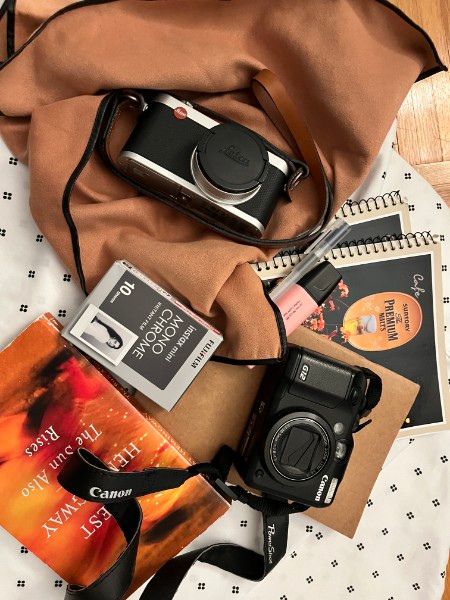
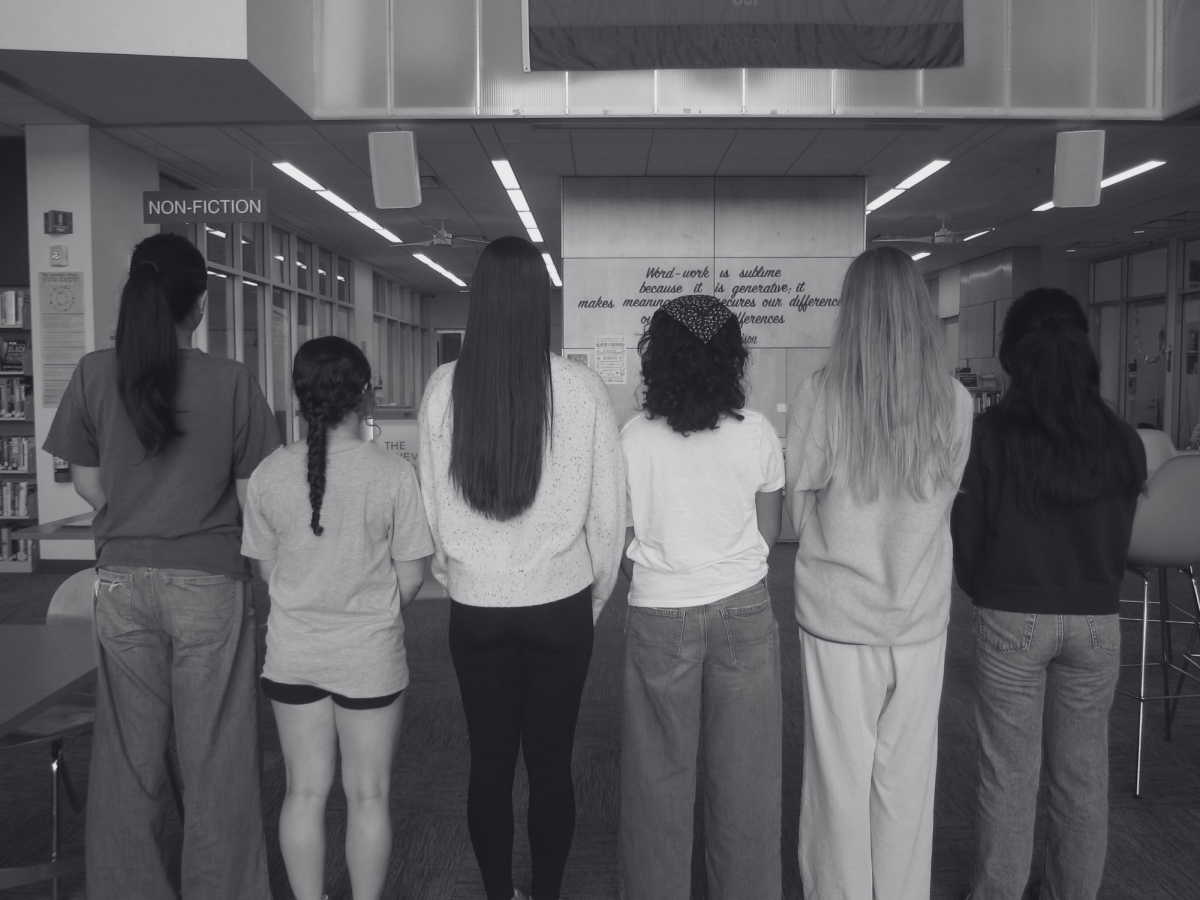
It’s this belief that guides the structure of Masi’s course. Each week, students capture around a hundred images on their school-issued Canon T7s based on an open-ended prompt. Back in class, they share a few of their favorites and discuss what they notice, from the color grading and angles to the framing choices and the details that might have been missed at a first glance.
Over time, through the cycle of prompts and critiques, students notice what they keep gravitating toward and how their choices build on one another. Those tendencies guide their final projects in the second half of the semester, which take shape as small, thematic bodies of work.
Students who were used to casually snapping photos on their phones noted that the switch to a real camera felt unexpectedly jarring. Lev B. ’29 was one of them. “Using a camera instead of a phone challenges you into having to frame things,” he said. “You need to have an eye for what [each element] adds or takes away.”
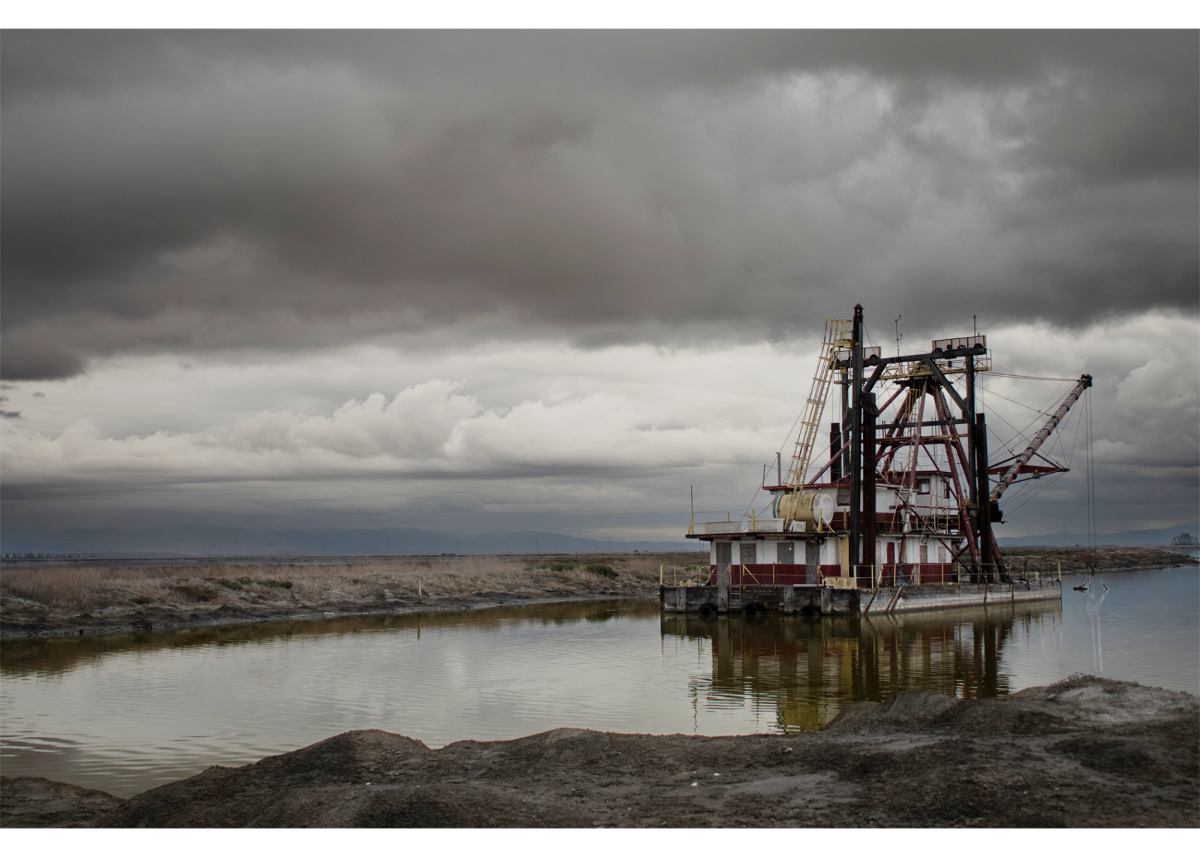
Lev’s work this semester gravitated towards desaturated, washed-out landscapes and abandoned buildings—all things he had never thought to capture until he started carrying a camera with him.
Beckett B. ’26 took another route, fixating instead on ordinary objects. Picture by picture, that focus slowly started to creep into his day-to-day life. “You start to look at things just a little bit differently,” he said. “It’s nothing crazy dramatic, but I start thinking about how things would look in pictures, and that helps me just place physical objects in a more romantic light.”
As the semester went on, Beckett’s own photos evolved from simple images of flowers to images that framed everyday objects, like fire hydrants and concrete poles, with the same care and attention he once reserved for more conventionally “beautiful” subjects.
That emerging aesthetic curiosity is exactly what Masi hopes to cultivate. Rather than focusing purely on technical concerns, he pushes students to work with whatever the world gives them.
“When you are painting something, you’re starting from the ground up, you’re building your whole world,” Masi said. With photography, you’re working with the world.”
To Masi, that difference is precisely what makes photography such a demanding medium. It forces students to refine their attention, to notice the inconspicuous details that would otherwise slip past them, and to form an image out of what is already in front of them.
In the spring, Masi hopes to give his students more ways to explore that kind of attention through analog and alternative methods of photography—such as darkroom and tin-type style work—that slow the process down even further.
Yet for Masi, the impact goes far beyond just the finished images themselves.
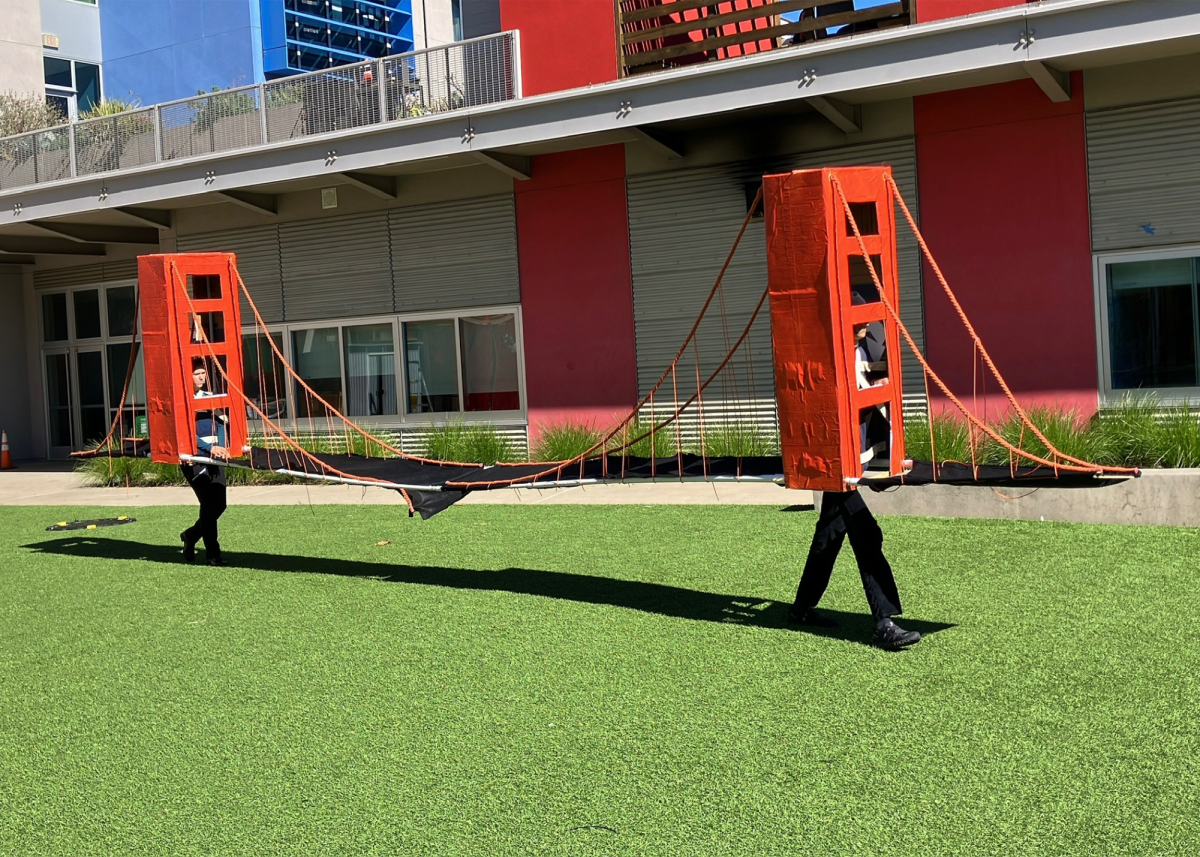
“Photography can make the world more lyrical. It can help [students] see the poetry, and every day it makes things a little less dark.” The class’s semester final work is now displayed in front of the school and throughout campus. Though Masi sees the prints as evidence of progress, the real work, he believes, happens in how his students see the world.