


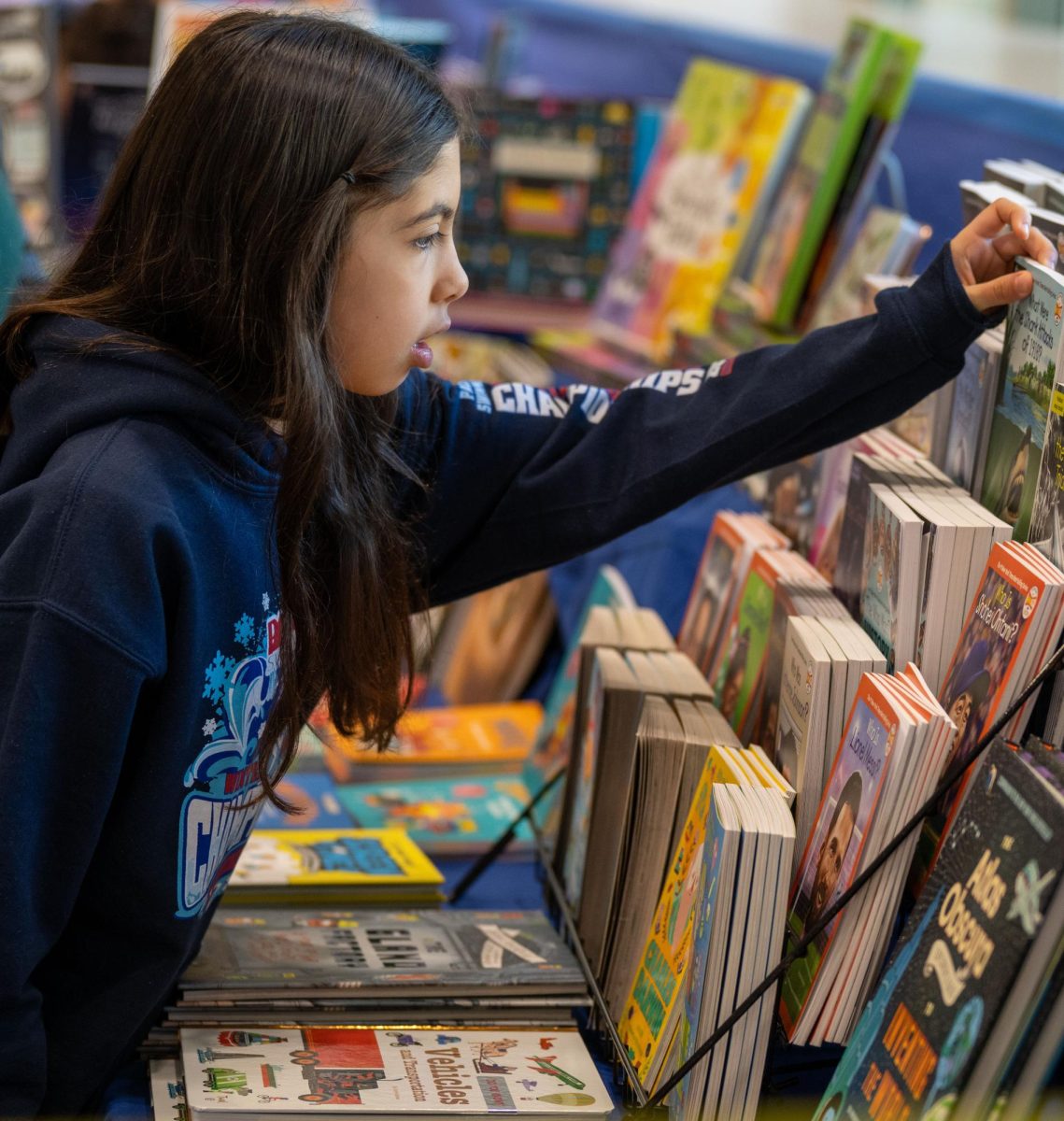




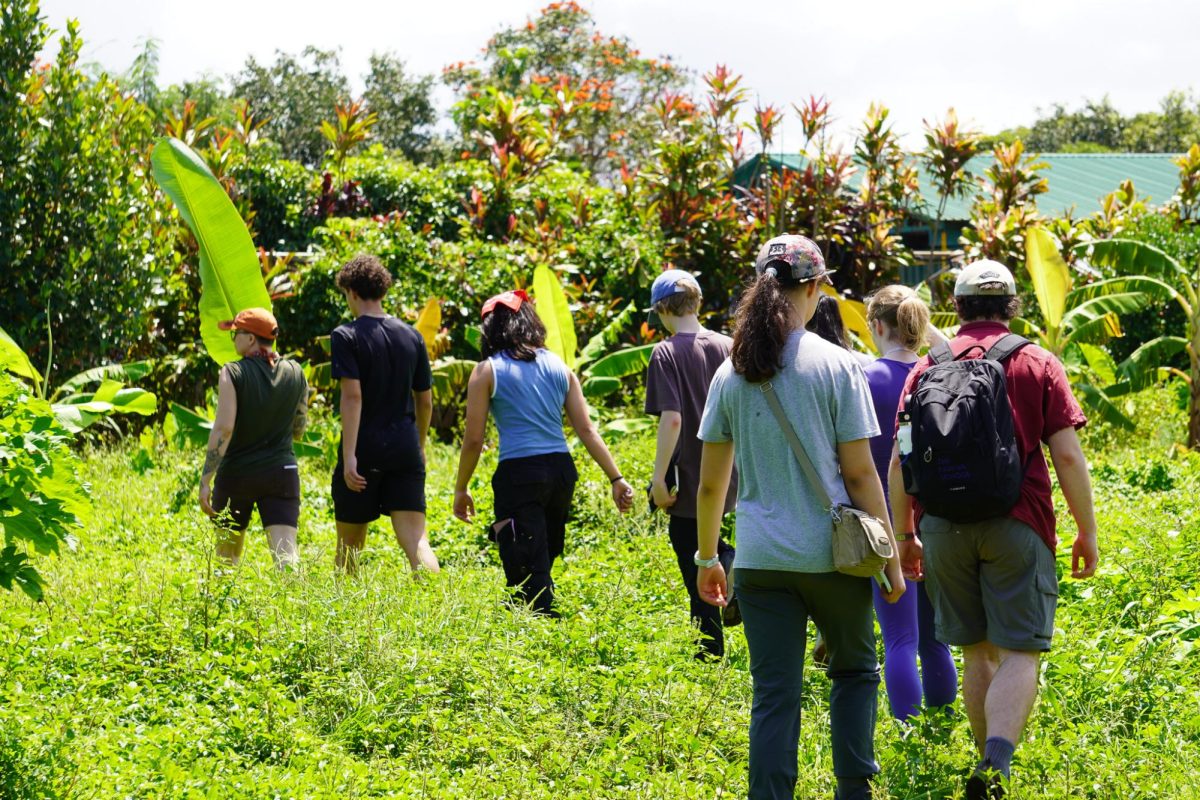









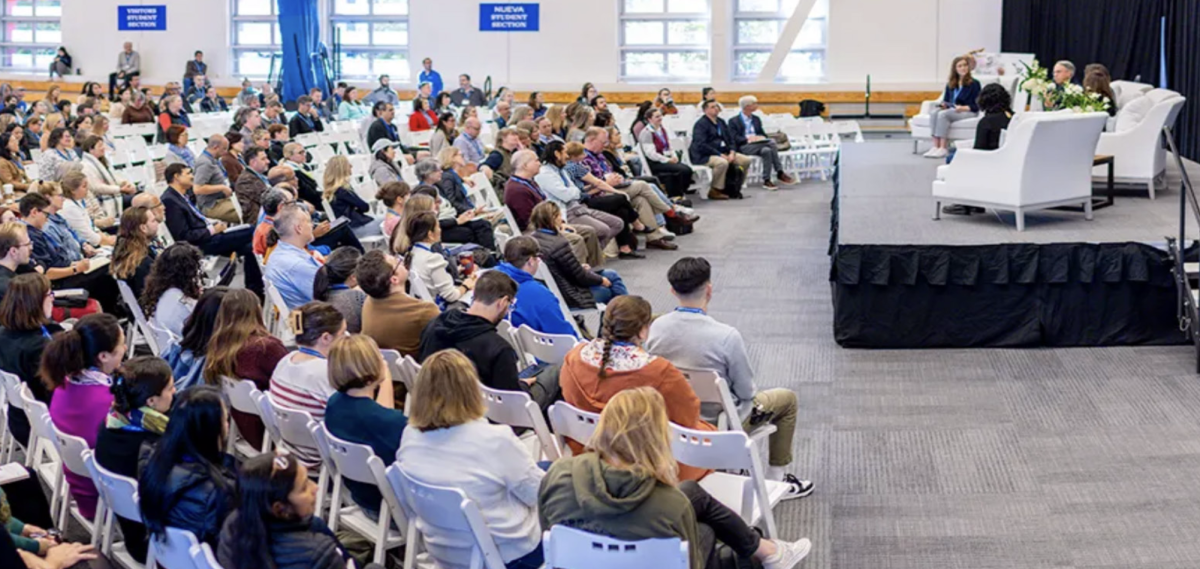
On Tuesday and Thursday afternoons, 120 Peninsula Bridge middle school students arrive on campus. For two hours, they spend time in academic enrichment that spans humanities, STEM, and SEL subjects. These students are part of the Peninsula Bridge Middle School Academy, an afterschool program for motivated and historically marginalized students.
It turns out, while a few Nueva students have volunteered with the program, most know little to nothing about Peninsula Bridge. This strikes me, because it’s an organization I think the student body would care deeply about.
To me, this lack of awareness indicates a much larger issue at our school. Our current community service learning (CSL) program lacks coordination and management. In turn, Nueva students don’t access volunteer opportunities right in our backyard—whether it’s Nueva’s or San Mateo County’s. In turn, we often miss critical chances to serve our neighbors in need.
Further, our CSL program, which is currently composed of two student-organized CSL Days and the occasional food drive each year, is limited by its dependency on student leaders. Every year, there is turnover in CSL leadership with no continuity—to no fault of the students but the system itself—making it an annual “startup” that’s very difficult to grow. I wonder constantly, couldn’t we be doing more? Shouldn’t we be doing better?
We should be regularly engaging with CSL. When we do CSL, we learn to care and be aware of people beyond our Nueva bubble. And by caring, we became motivated to serve our community more often and on a larger scale. Sound familiar? It’s our school motto: “Learn by doing. Learn by caring.”
If we truly care, we must do more to serve our community: I believe that Nueva, a privileged institution, must make CSL a pillar of our community by integrating it into the student experience. If not, we don’t just severely fail our local neighbors—but also ourselves and what Nueva stands for.
According to a community study conducted by a parent and teacher-led CSL Task Force in 2019, 90% of MS and US students believe in the importance of CSL. Further, almost all students are aware that other schools have more robust CSL programs with dedicated staff and resources. As one of these students, I carry this awareness with frustration and disappointment.
Nueva has the pedagogical foundation, funds, and reach to build a thriving CSL program that creates positive change. We must do this with focus and care—so, let’s brainstorm what’s possible.
First, we must have an administrative position created that focuses on defining, organizing, and steering the K–12 CSL program.
A dedicated coordinator is imperative to strengthen our CSL program. In the Lower and Middle School, the program is largely parent-maintained, while the Upper School’s is almost entirely student-run. Leadership on both campuses shifts every year, limiting any long-term goals or sustained projects. A coordinator would help bridge this gap.
The coordinator could also support teachers in integrating CSL into curriculum, shape a school-wide CSL program that builds with each preK–12 grade level, and create special opportunities for cross-division partnerships. My peers and I already love opportunities to connect with Middle and Lower Schoolers, so why not combine that with creating a positive impact in our larger community?
Second, I envision a CSL program with a variety of sustained community partnerships that empower and educate students to make positive impact. At Nueva, we have a vast network of families with connections across the Bay Area. Let’s use it to connect students with organizations they’ll care about.
Composed of these partners, an accessible database and calendar could be created for students to have more context for the organizations they may work with.
I believe the database could help students be more informed and impactful when volunteering. And, the calendar could help students access timely volunteer opportunities, or help them continue contributing to the cause outside of Nueva-organized CSL programming, if they so pleased.
The database will also help teachers form connections to their class curriculum, which I believe could be an important pathway towards institutionalizing CSL in the academic realm of Nueva. Imagine an elective where art was leveraged to help impoverished communities. Or, a course where computer science research connected to supporting isolated seniors in our community.
Finally, I hope the future of CSL at Nueva looks beyond what benefits our own students may receive, and focuses instead on orienting us towards the responsibilities we carry.
Brandon Reynante, a director at the Stanford Haas Center for Public Service cautioned, “Historically, the focus has been on the benefits to the students. But sometimes that’s come at the harm of the community partners.”
In our conversation, he referenced a personal experience: “We might have done all this work to address their problem, but eventually they were no better off than before we had started. There can even be cases where it’s exploiting or harming the communities. Service work should make sure that it’s beneficial for not only students, but also the community partners.”
From my personal experience organizing community partnerships, I’ve realized that what seems like “free labor” we donate as a school is not without cost for the partners. They have to dedicate time and energy towards organizing an abnormally large group of student volunteers, train us before we begin, and even clean up any messes we may make.
When expanding our CSL program, I urge us to first consider how our service impacts others, approach with humility, and work to be the most helpful we can.
None of these steps are easy, though—students, teachers, and administrators will have to put in effort to research, connect with, and better understand what our community needs from us.
Yet, I believe that putting in effort to volunteer with awareness and care is a necessity. Having a full-time administrator dedicated to CSL is a necessity. Building sustained partnerships with the community around us is a necessity. If we don’t fully acknowledge this, I truly believe we are committing a grave failure as an institution.
To those skeptical, I’d point them towards our school’s motto, our ideological foundation: how can we say that we “care,” when our actions don’t?