




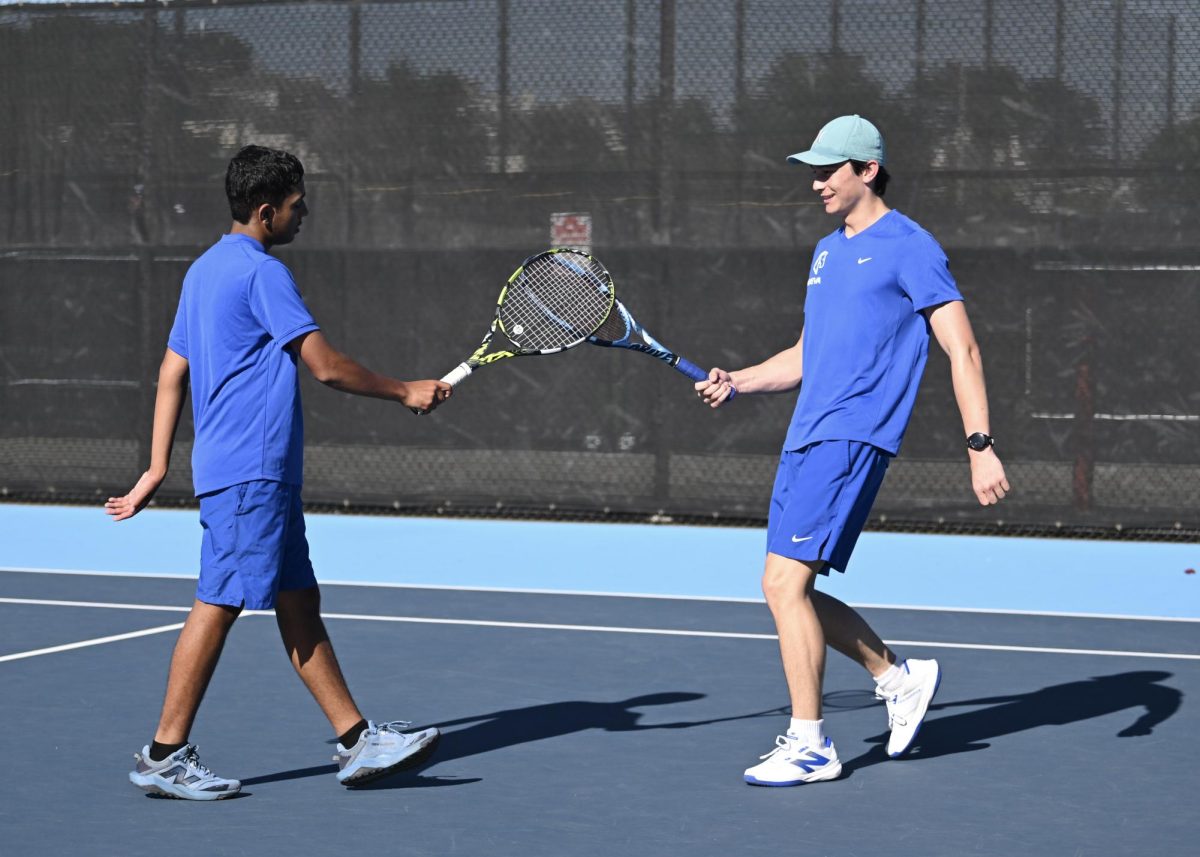



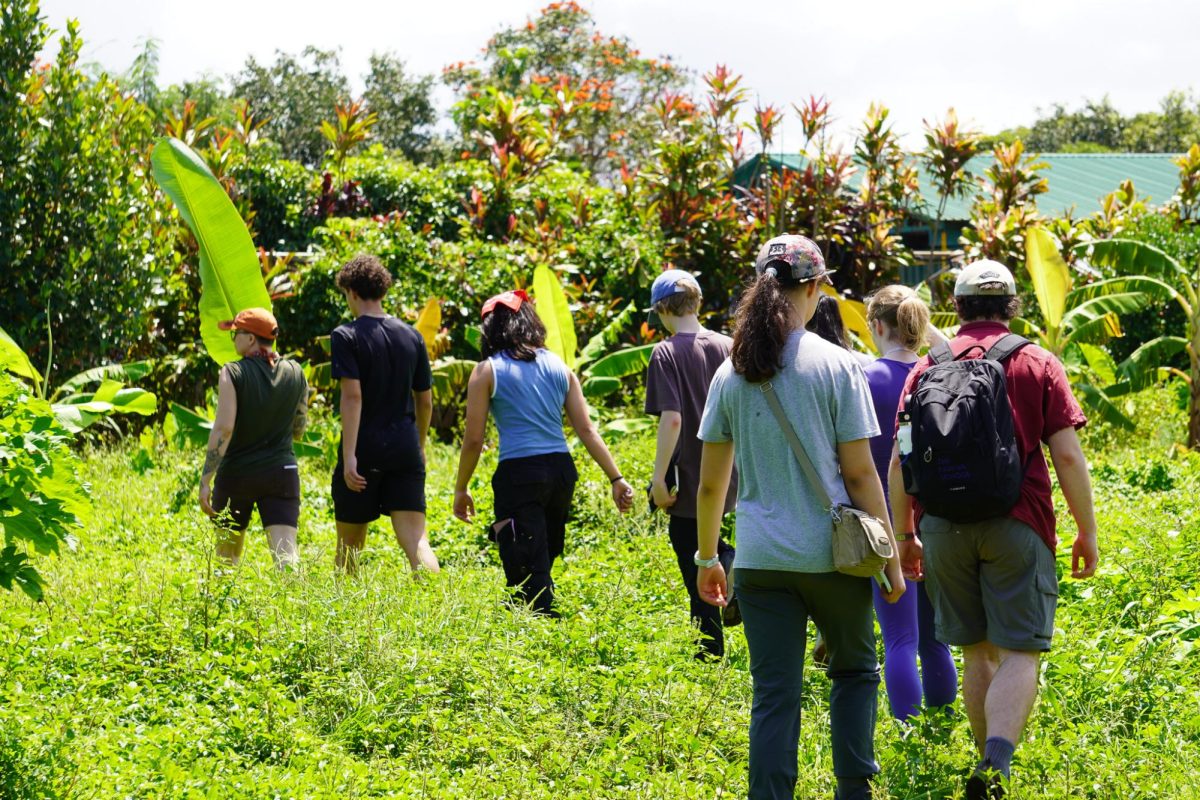







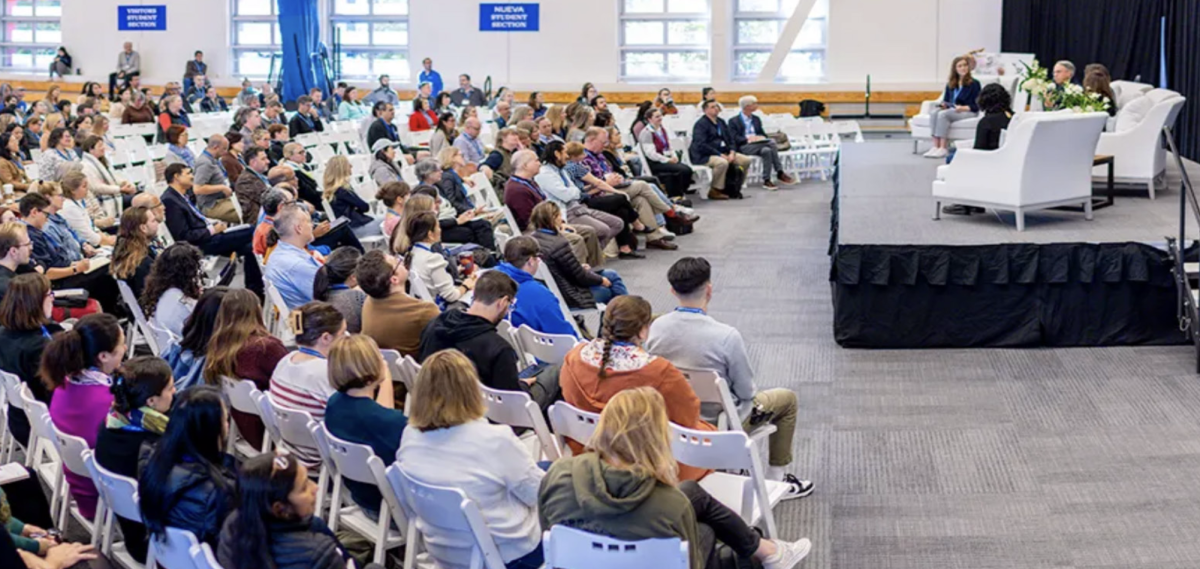
Five Nueva students walk into a Japanese high school auditorium and introduce themselves in front of hundreds of Japanese students in nervous Japanese, sharing their hobbies and emphasizing how excited they are to make friends. They’re met with a beat of silence, then roaring applause.
Experiences like these mark the essence of the Nueva-Doshisha Upper School Japanese Exchange Program, a program celebrating its 10th anniversary this year.
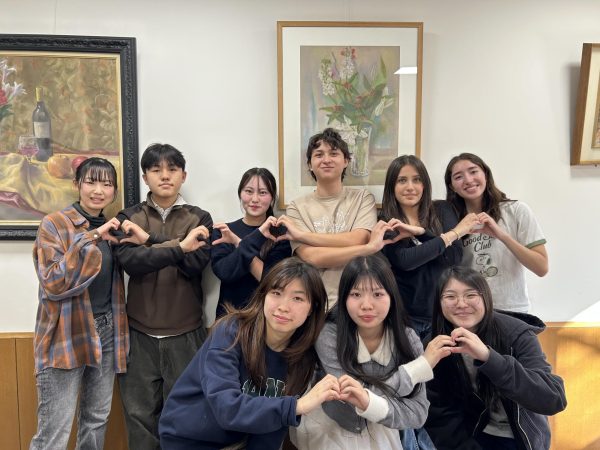
Co-led by Upper School Japanese Teachers Chris Scott and Yoko Penniman, the program originally began as an extension of Nueva’s middle school Japanese exchange program.
“After going on the middle school Japan trip [in 2015] I thought to myself how great it would be if we could have a similar program at the upper school where students could go back to Japan and use their Japanese even more,” Scott said.
With help from former Dean of Students Hillary Freeman and Doshisha Kokusai’s Masahiro Kojo (now retired), Scott organized the first upper school exchange trip in Spring 2016. That year, 11 Nueva students visited two host schools: Doshisha Kori and Kokusai.
Over the years, the program has expanded in both popularity and depth.
“I think we’ve really developed much deeper times with our friends and colleagues at Doshisha and that has opened a lot of doors for our students there,” Scott said. “Not only do more students on the Doshisha side apply for the program and host our students, but also the different schools offer and arrange a wider variety of opportunities for our students when we’re there.”
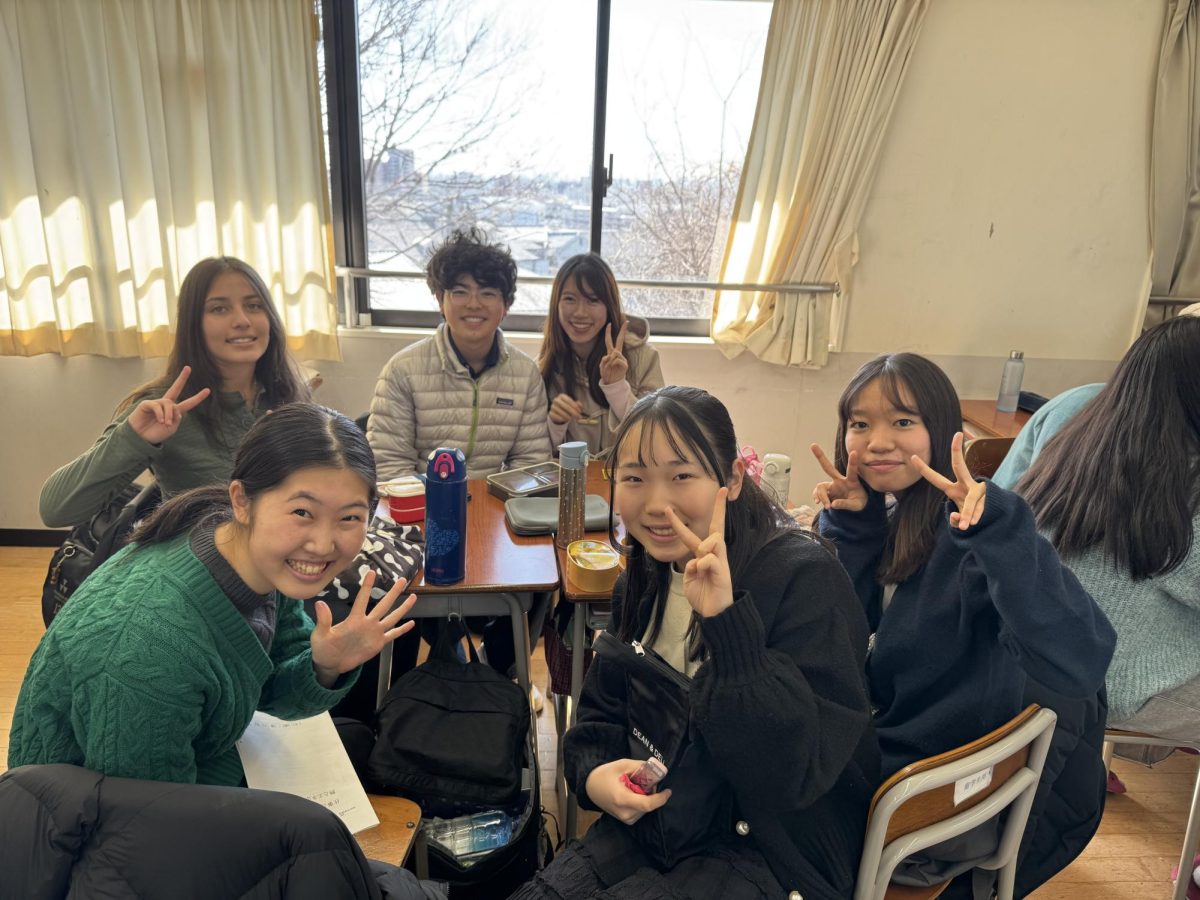
This February, Nueva students enjoyed a five-night homestay in Japan, before visiting Hiroshima to learn about the human impact and historical context of the atomic bombing. During their homestays, students attended classes and immersed themselves in Japanese high school culture.
“[The students] grow in ways that are just impossible to replicate here at Nueva,” Scott said. “As a Japanese language and culture teacher, this kind of program is absolutely priceless for the learning and the growth that happens on the trip.”
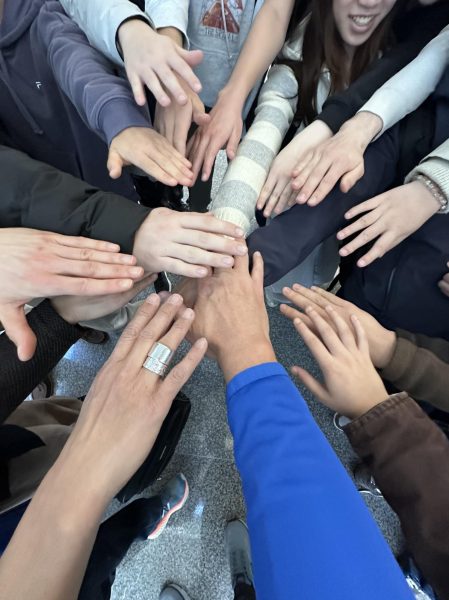
For first-time visitors to Japan, like Max K. ‘26, the trip provided an especially impactful opportunity to gain a new understanding and confidence in language skills.
“Something that really surprised me was how much Japanese I was able to understand and how much I was able to communicate,” Max ‘26 said. “I went into it kind of worried that I wouldn’t really be able to understand anything or communicate with anyone but I was surprised by how much I was able to.”
To Deniz S. ‘26, what stood out were the differing extracurricular experiences between Nueva and Doshisha.
“Obviously we’re all teenagers and we kind of behave and act in a lot of the same ways, but I noticed at Doshisha, there was a very interesting association with club identity and how that really shaped your high school experience,” Deniz ‘26 said.
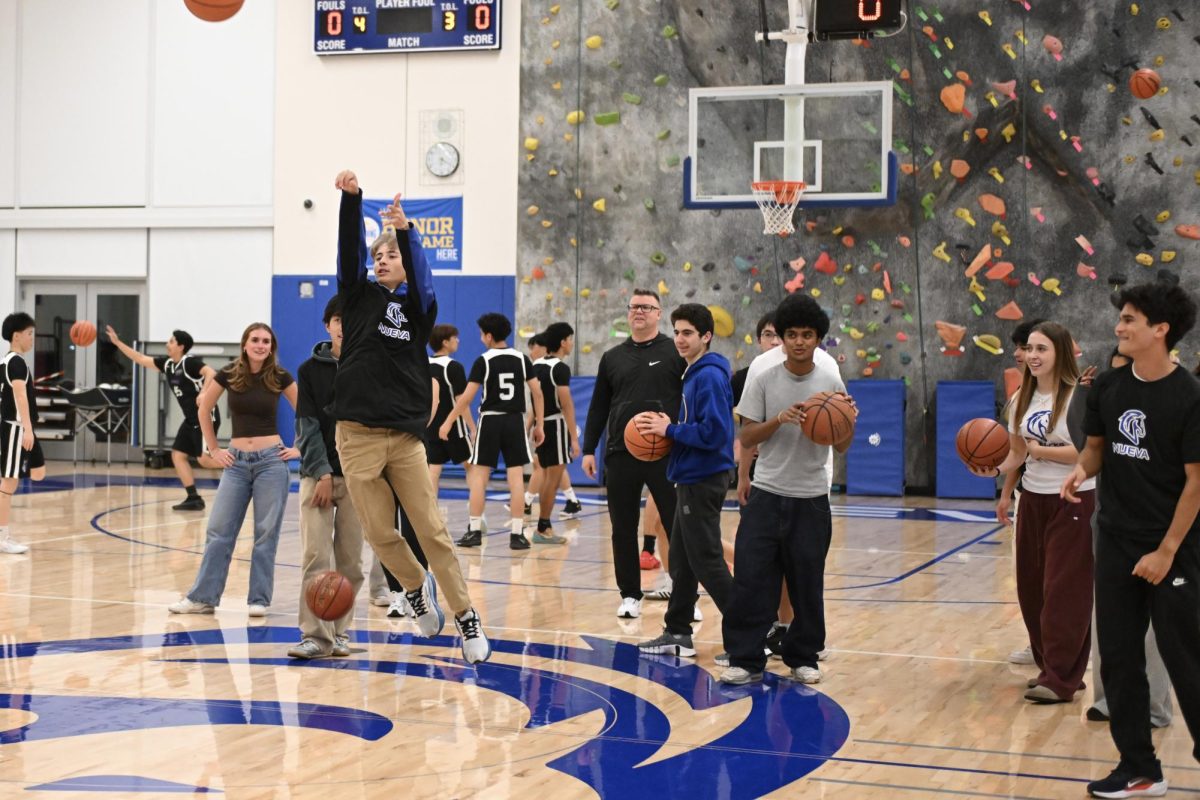
In March, 15 exchange students from all three Japanese schools visited Nueva and stayed with the students they hosted in February.
Mirroring the other half of the exchange program, the Japanese students were thrown into Nuevan and Bay Area life: they attended classes, explored San Francisco and Stanford, visited a Silicon Valley company, and hung out with Nueva students.
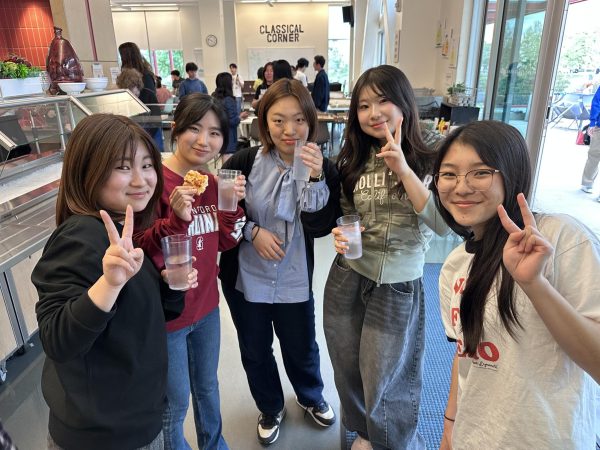
At the core of the Nueva-Doshisha Japanese Exchange Program is a mutual commitment to paying it forward.
“The students did so much for us that I don’t think we’ll be able to top that when they’re here,” Deniz ‘26 said a few days prior to their visit.
The Nueva-Doshisha Japanese Exchange Program’s 10th anniversary marks the continuing value of cross-cultural exchange and understanding. At a time of increasing American isolationism, it’s more important than ever to emphasize our shared humanity.
“You discover on both sides that in many ways we’re all the same,” Scott said. “It doesn’t matter what language we speak or what culture we’re from, we’re all simply human beings.”