






















The year is drawing to a close, my Canvas to-do page is filled with assignments, and I have several group chats open for final projects. Still, I have something to be grateful for. In these final weeks of school, I don’t need to stuff my brain like a Build-A-Bear with content I learned in September, or lose a night of sleep practicing 10 different Spanish verb tenses.
We prioritize hands-on learning at Nueva: our finals don’t come in a single cumulative test, but in projects, essays, and labs. As a result, we’re learning how to discuss, investigate, and problem-solve over the course of the full semester. There is no need for finals at Nueva, when so much more goes into the educational experience than test-taking.
Finals place undue pressure on students with little benefit, ultimately impeding the learning process. In many schools, final exams are worth 20 to 30 percent of a semester grade—my friend at Crystal Springs has a math final worth one-fifth of her grade—but they are unable to represent a student’s learning in a well-rounded manner.
The extra stress and pressure placed upon students by final exams is also detrimental to their physical and mental health. A CDC study found that 72.7% of high school students sleep less than eight hours a night on average. Finals week often makes this worse by packing several high-stakes exams into a few days, pushing students toward late-night cramming instead of steady review.
With the burden of final exams, students exert themselves to their limit—and any knowledge gained in the rush is soon swept away. In this way, e
xams aren’t even effective ways to ensure retention of knowledge. Building analytical skills in class and through projects, however, ensures that what’s really important will stick.
Final exams do remain a fixture in higher education, and one might argue that finals in high school prepare students for college. However, if we are able to teach students strong study habits throughout the semester, finals in college are not worth the repercussions to mental health.
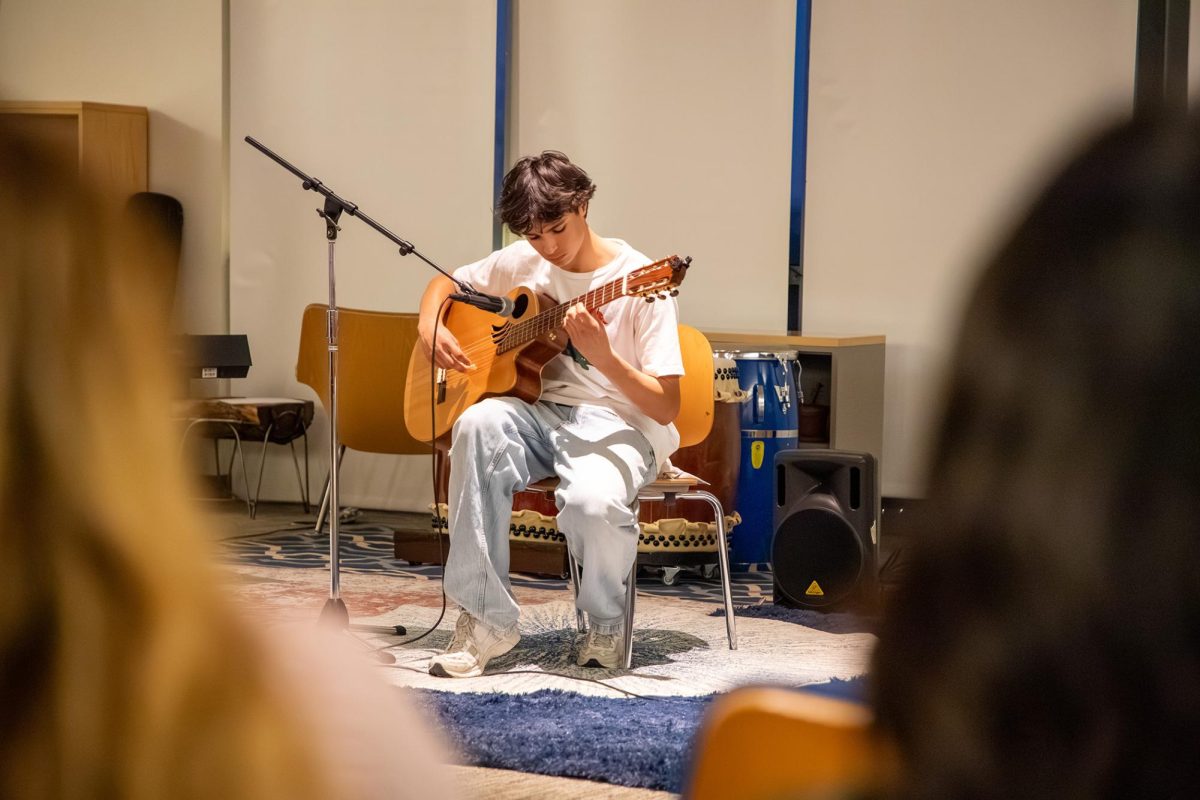
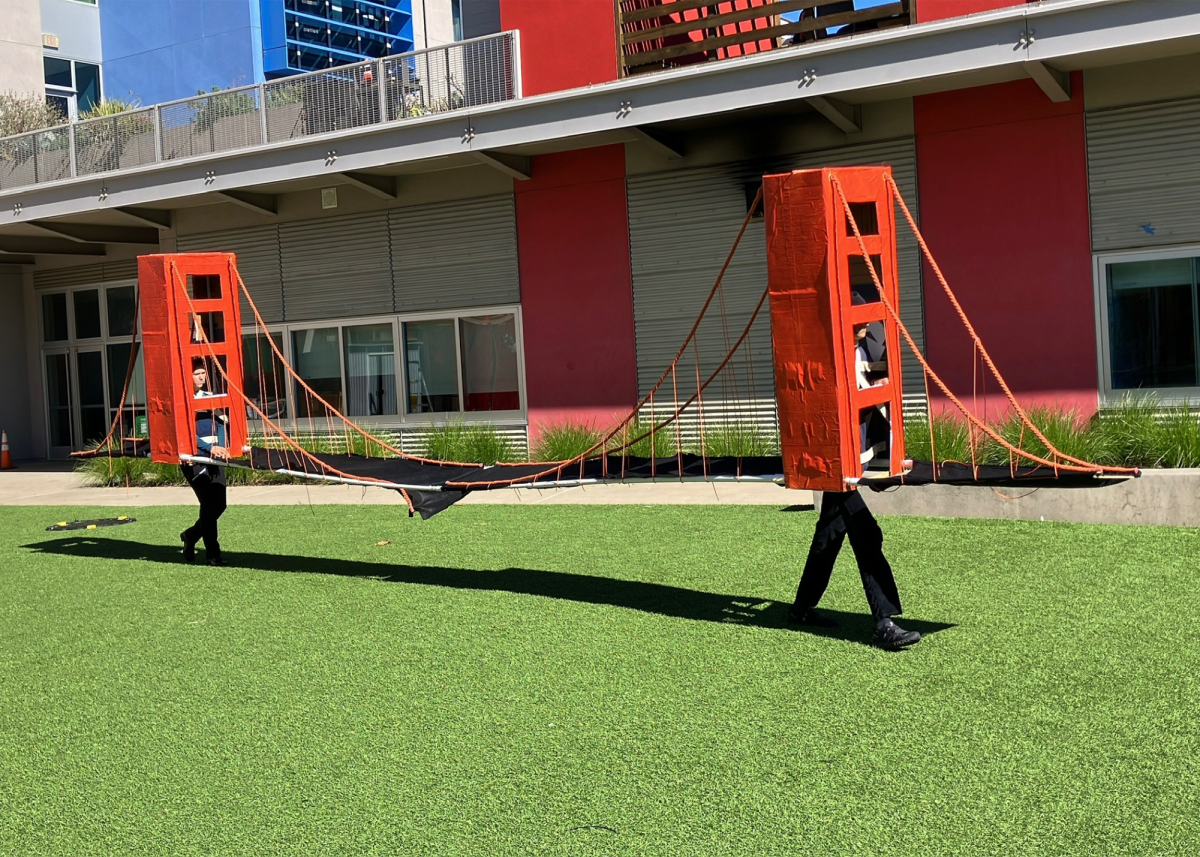
Nueva employs numerous alternatives to final exams, often spread out through a semester to allow teachers to observe progress and growth, and offer feedback and assistance. Major assessments (MAs), which include essays, presentations, and in-class debates, often provide room for creativity across a range of mediums, making learning more enjoyable. I’ve choreographed interpretive dance for Emily Dickinson’s poetry, recorded analytical podcasts in Spanish, and used Calculus to measure the volume of vases from the Met.
When Nueva courses assign tests, they have also always been free response—not multiple choice, allowing students to practice learned skills rather than brainlessly memorizing facts. Tests at Nueva also come with the opportunity to reassess, alleviating one of the largest stressors of finals: finality.
Determining an entire semester’s work in one day ignores the student as a whole. If learning is about failing fast and growing from mistakes, finals subvert this entire process by emphasizing the end-state and deprioritizing what truly matters: building skills and mindsets that aid further learning, under any circumstance.