




















If you had the resources, time, and support, how would you innovate for positive social change?
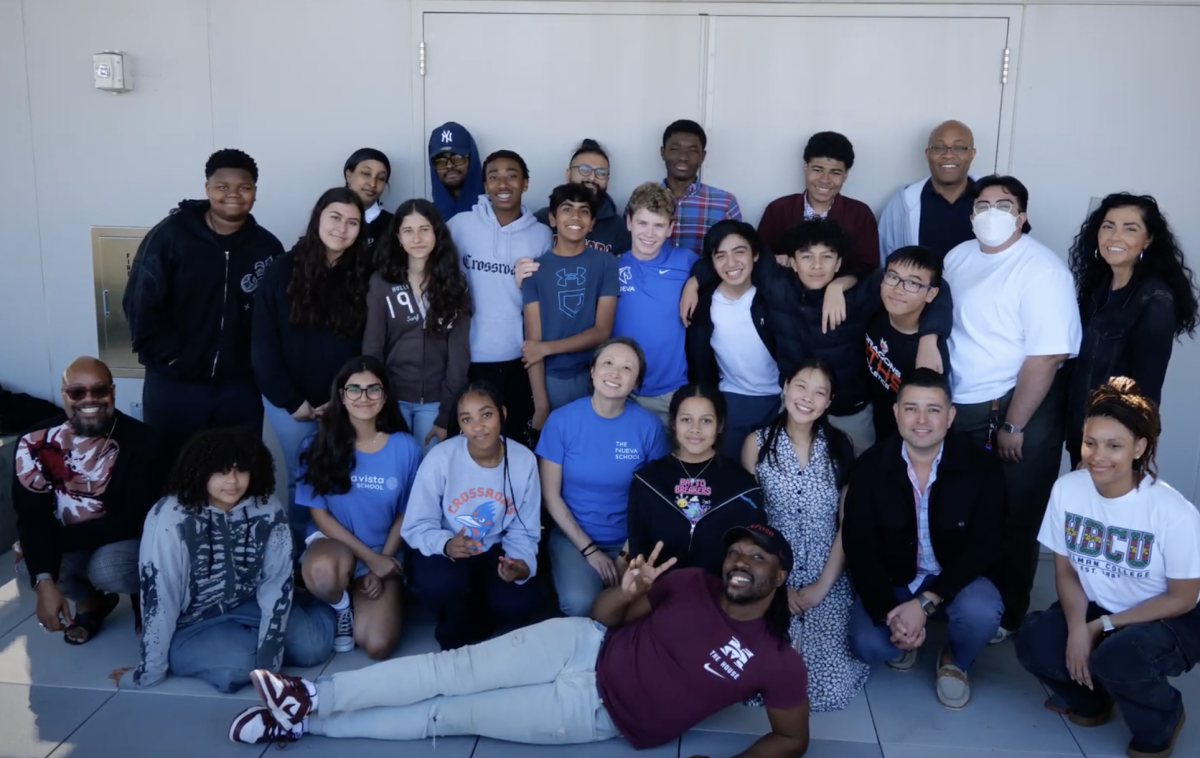
This is the question that, through a combination of social justice and design thinking, a cohort of 17 teens spent three days attempting to answer.
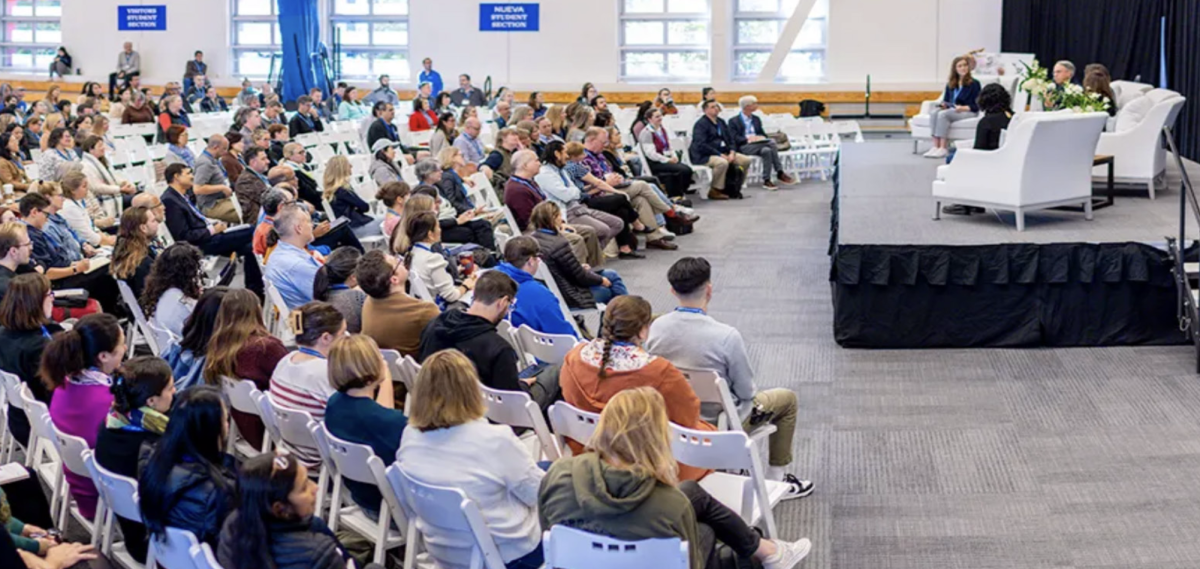
Over the weekend of March 20-22, Nueva hosted the first West Coast conference for HackBAC, a social justice design sprint founded by the Black Alumni Collective.
Over the three days, participants visited Stanford’s d.school and their AI Tinkery, spoke with prominent social-justice designers, and met in cross-school cohorts—dubbed “Genius Groups.” Each group chose a different theme—entrepreneurship, mental health, arts, etc—bringing together students across schools.
Altogether, four Nueva students—Evan W., David O., Ishan S., and Pearl Y.-L.—participated in the event, along with teens from three other schools.
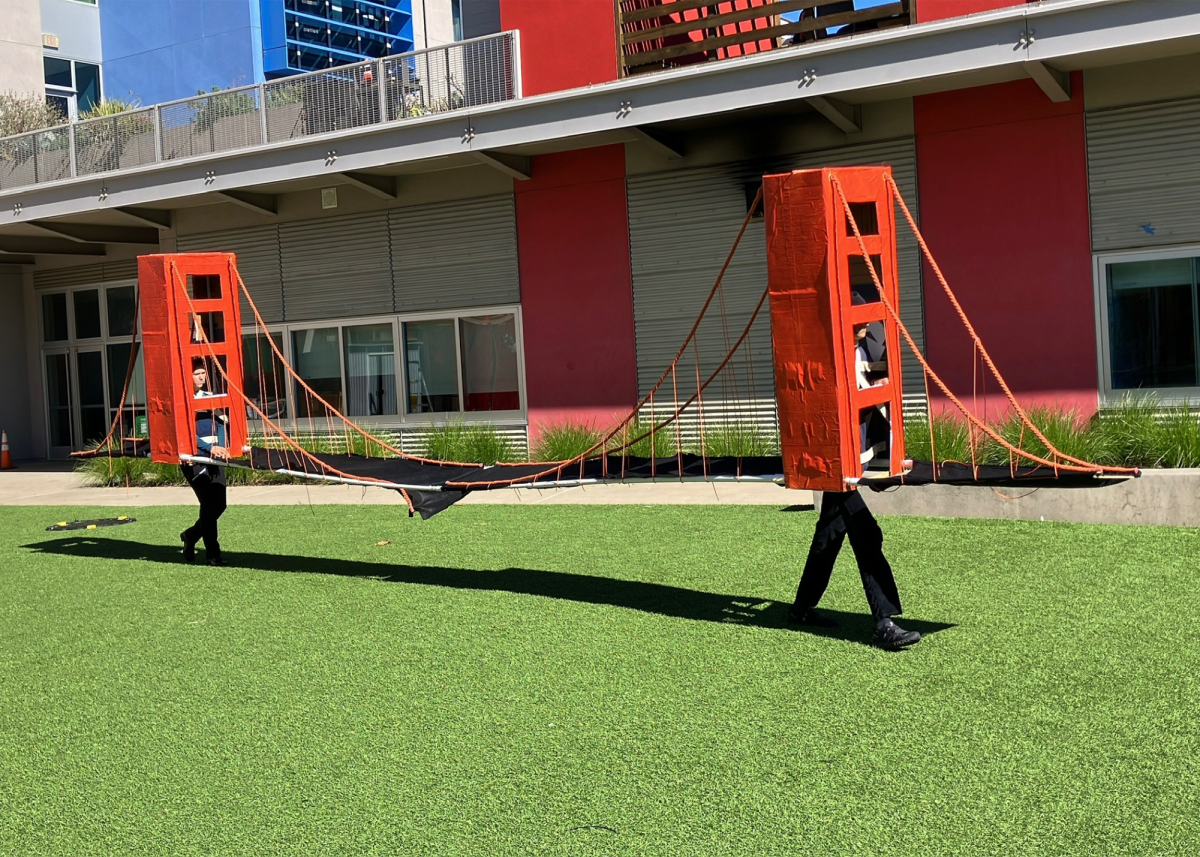
Evan’s group, whose theme revolved around art, ultimately proposed an after-school program called Bridge Arts that connected students from schools without access to arts education to a sister school. On the final day of the program, he presented his pitch to both panelists and other groups in a competition format.
“Everyone was very, very supportive of the other pitches. It was more of a friendly competition. We were just trying to create something great for other people,” Evan said.
Though his team didn’t end up winning, Evan says the experience still felt incredibly rewarding. He’d worked through the design thinking process before, but never with a specific, social justice-related goal in mind. At the end of the weekend, though, he reflected that he saw design thinking as an effective way to create social change.
To I-Lab Director Angi Chau, who organized the event with HackBAC Director Delonte Eguwatu, experiences like Weinswig’s were part of the conference’s goal.
“It’s important for people to see there are many different applications of design thinking,” Chau said. “[With design thinking], we can invent things that actually center equity and inclusion.”
For Evan, hearing and learning about diverse projects revealed new perspectives and challenges. The winning pitch, which focused on leadership transitions for small business owners, highlighted problems he hadn’t considered before.
“It was really interesting seeing the problems everyone else came up with, how they empathized with [the people they were designing for], and seeing perspectives that I hadn’t really been open to,” Evan said. “For example, the winning group […] That was a problem I’ve [never] really thought about before, but when I saw the pitch, it really just made sense.”