
















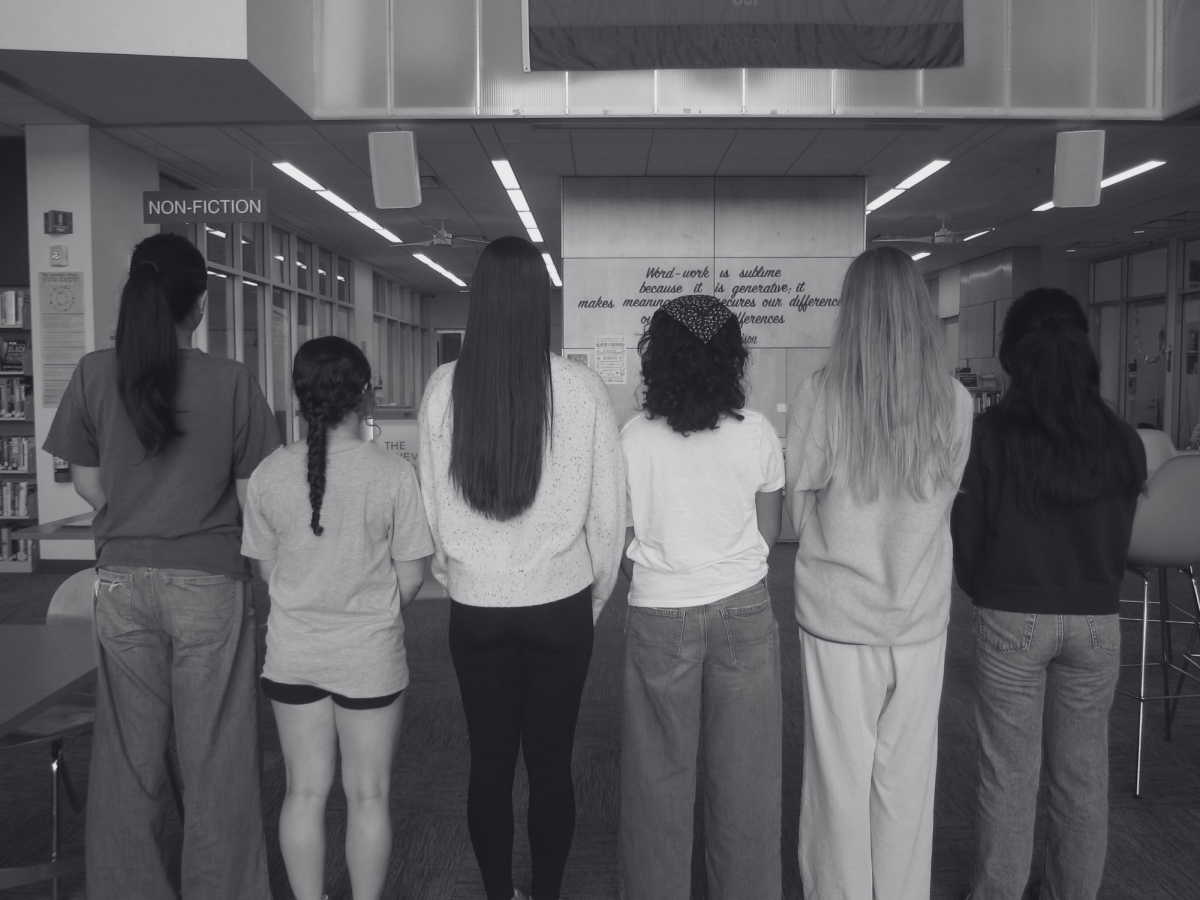












The Stanford Daily, the student-run, independent daily newspaper serving Stanford University, filed a free speech lawsuit against the Trump administration earlier this fall. Fifty-five other student newspapers have since signed an amicus brief, pledging their support of the suit.
The lawsuit was filed with the Foundation for Individual Rights and Expression (FIRE) and targets Secretary of State Marco Rubio’s employment of two legal provisions concerning the free speech rights of legal noncitizens. Both provisions are a part of the 1952 Immigration and Nationality Act. The first declares that Rubio has the power to deport legal noncitizens whose speech on campus is considered to oppose a United States foreign policy interest; the second, that Rubio has the ability to revoke visas of legal noncitizens “at any time” for any reason.
The Daily and FIRE allege in the suit that the provisions, and Rubio’s application of them, are unconstitutional: every noncitizen’s rights are protected by the First Amendment.
The legal action is in response to the Trump administration’s attacks on student protesters, specifically those on student visas who have publicly expressed pro-Palestinian sentiments deemed by the government to be anti-Israel and anti-American.
At Tufts University, a graduate student was seized by Immigration and Customs Enforcement and detained, following her co-authored op-ed in The Tufts Daily that advocated for the affirmation of the equality and humanity of all people, including the acknowledgment of the Palestinian genocide.
Similarly, two Columbia graduate students were arrested in March and April, respectively, both of whom were pro-Palestinian student activists and publicly condemned the war in Gaza.
Given this threat to international students, the Stanford Daily has reported a significant decline in the number of international students willing to contribute to the paper—declining to give interviews, requesting anonymity, leaving the staff, and requesting that their articles and bylines be taken down online.
The Daily has stated that their objective and mission as a school paper remains unchanged because of the lawsuit, and that, according to Editors-in-Chief Greta Reich, Ananya Udaygiri, and Lauren Koong, “this was not a political move—journalism exists to hold those in power accountable, regardless of who is in power.”
Of the 55 other universities who have voiced support, most of them report cases of international students whose visas have been revoked or threatened, resulting in a campus culture of fear and confusion.
“In the United States of America, no one should fear a midnight knock on the door for voicing the wrong opinion,” Conor Fitzpatrick, an attorney for the FIRE Legal Network working with Stanford, said.
The lawsuit is currently pending in the U.S. District Court for the Northern District of California.