























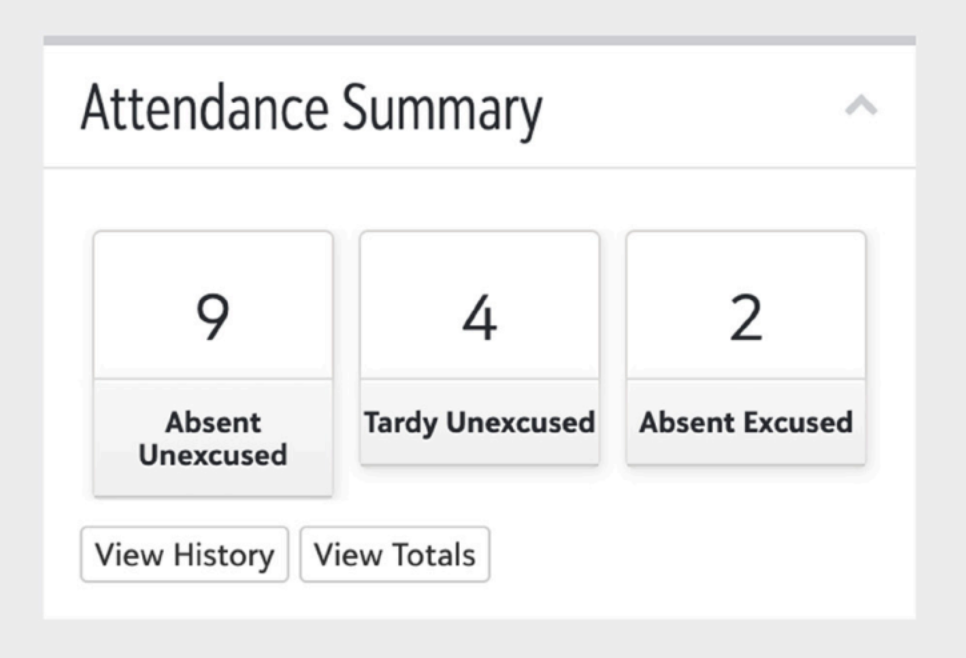
Upon opening the Nexus—Nueva’s new internal website—this fall, students were greeted with a large, unfamiliar subsection on the homepage. In the “Attendance Summary” section, students and parents will now see a record of students’ absences and tardies for any given class, further separated into “excused” and “unexcused” categories.
The Attendance Summary appears by default on the Nexus system, according to Upper School Master Scheduling & Academic Data Coordinator Kevin Dineen. But, lacking clarity or context from the administration about this new feature, rumors have swirled about the repercussions of tardies or absences.
However, Dean of Students Jackee Bruno and Dineen reassure students not to worry.
Currently, students should not expect any repercussions from the “unexcused tardies” or “excused tardies” they may accumulate on Nexus, according to Dineen. The unexcused tardies occur when a student arrives to the class after it begins without informing their teachers in advance.
Dineen and Bruno believe that the “Attendance Summary” may help students avoid habits of tardiness and absences.
“Sometimes habits aren’t noticeable. Like, you don’t notice you bite your nails until you bleed,” Bruno said.
While there aren’t standardized consequences for tardiness or absences, Bruno highlighted that for a student struggling academically or in a given class, the Wellness Team may consider an outstanding attendance record to understand how to best support the student.
“It’s not the end-all-be-all of their discussions. It’s just another piece of silverware that they can use to dig apart the meal,” said Dineen, continuing that a well-performing student with the occasional tardy would not be affected by this practice.
Additionally, school-wide attendance statistics can help the administration and Wellness Team identify problem-areas in the schedule and adjust school policies for accessibility. For example, continued trends of arriving late to mid-day classes might shift the duration of passing periods in coming years. Or, morning tardies could signal the need to work with Caltrain to adapt the A.M. train schedule.
Dineen and Bruno, on behalf of the administration, emphasized that supporting students is and always will be the core goal. If students have any remaining questions about attendance, Dineen and Bruno welcome them to simply ask.
“I want [students] to understand that they need to be in class on time because that’s what you need for education. And if there’s a reason that they can’t be on time, whether it’s mental health or logistics, they should speak on it,” Bruno concluded.