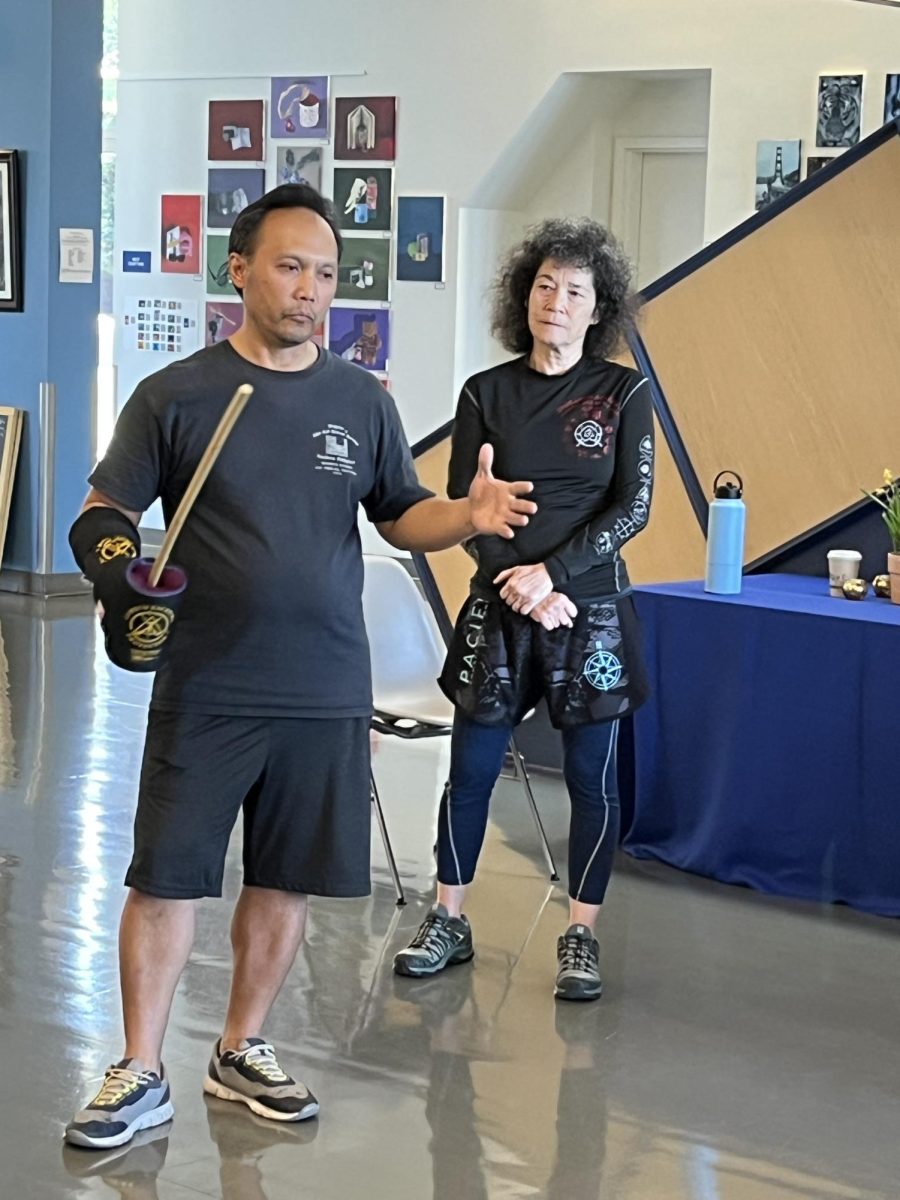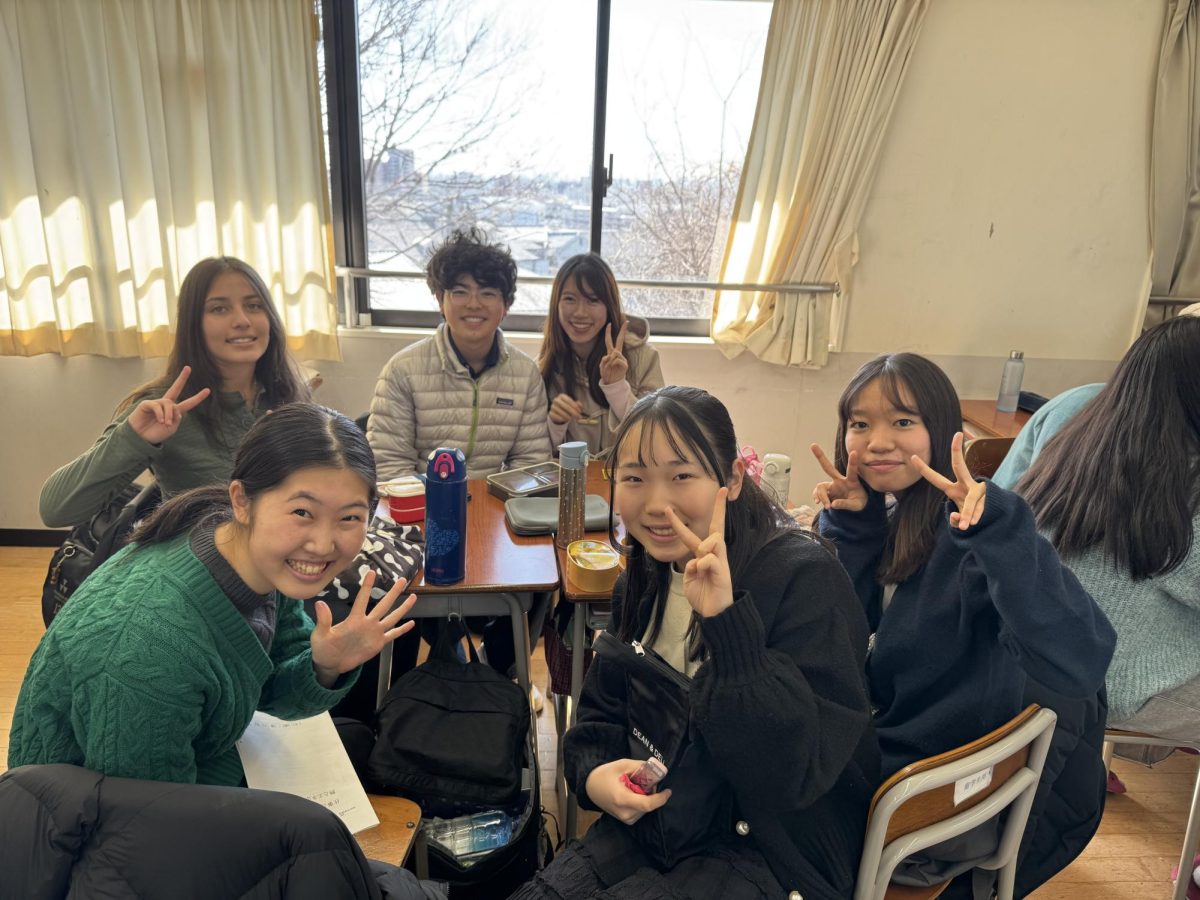



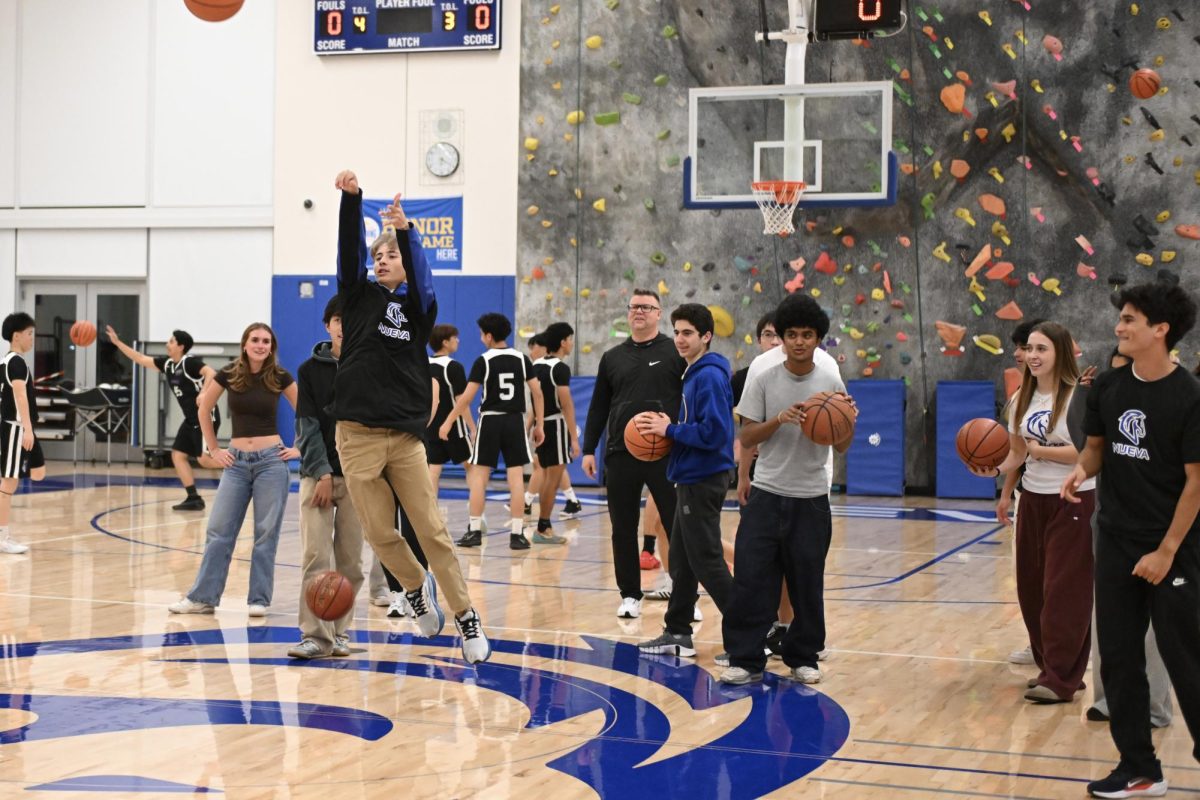









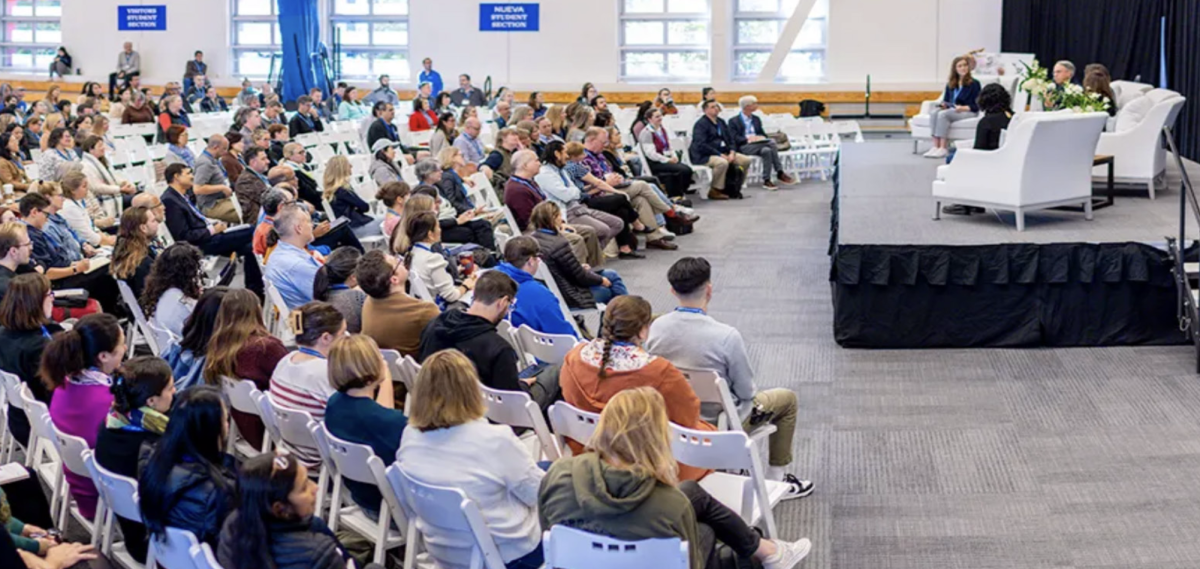
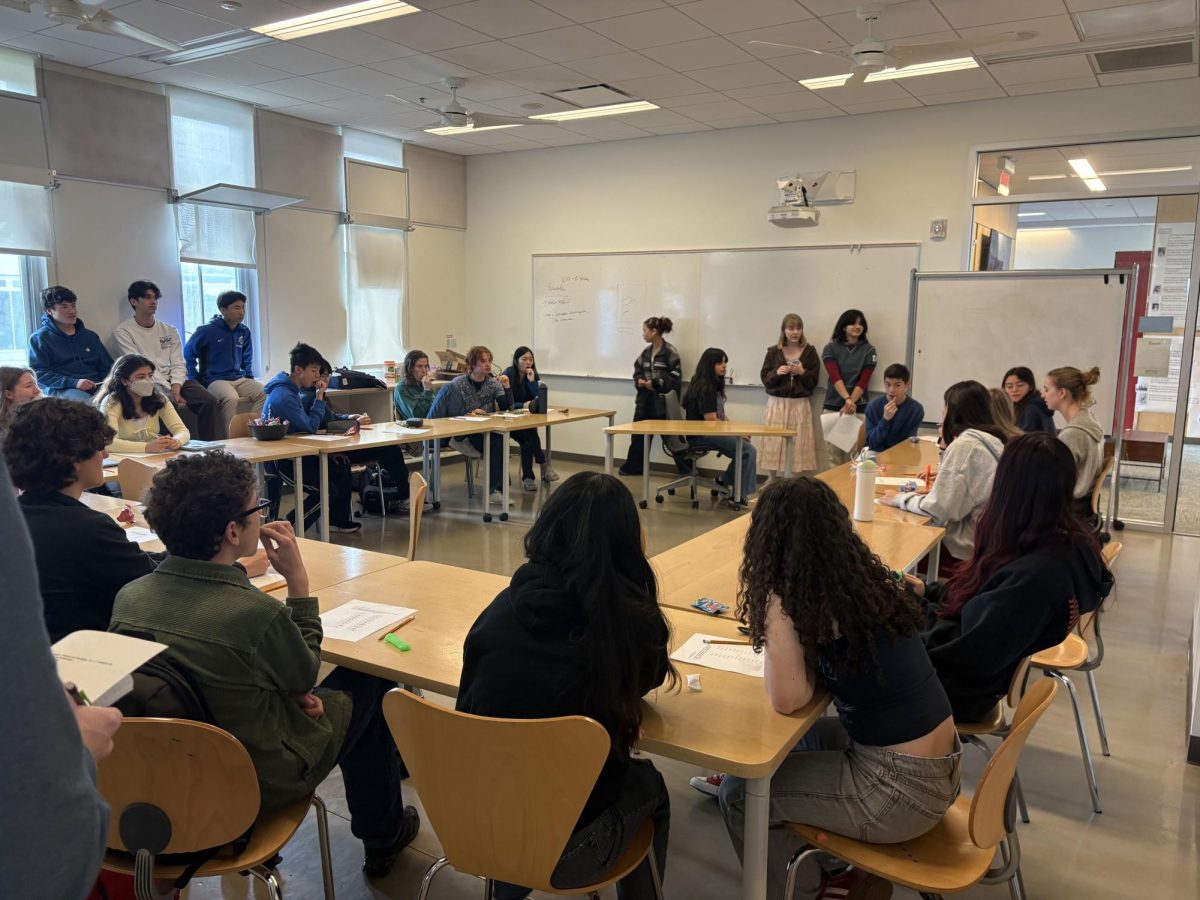
On March 4, as part of Nueva’s annual Neurodiversity Celebration Week, the Neurodiversity Affinity Group hosted 11 workshops ranging from neurodiversity simulations to discussion panels on neurodiverse experiences. Together, these opportunities offered the community a chance to explore and better understand neurodiverse experiences.
This year, the affinity group shifted away from a schoolwide assembly into smaller-group workshops to increase accessibility for all students’ needs. Something they were especially conscientious of was incorporating student-led workshops—a change from past years, when the Neurodiversity Affinity Group for parents organized most events. However, parents remained involved in this year’s celebration.
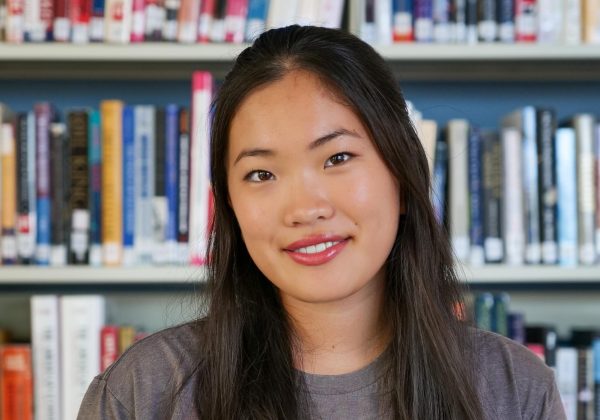
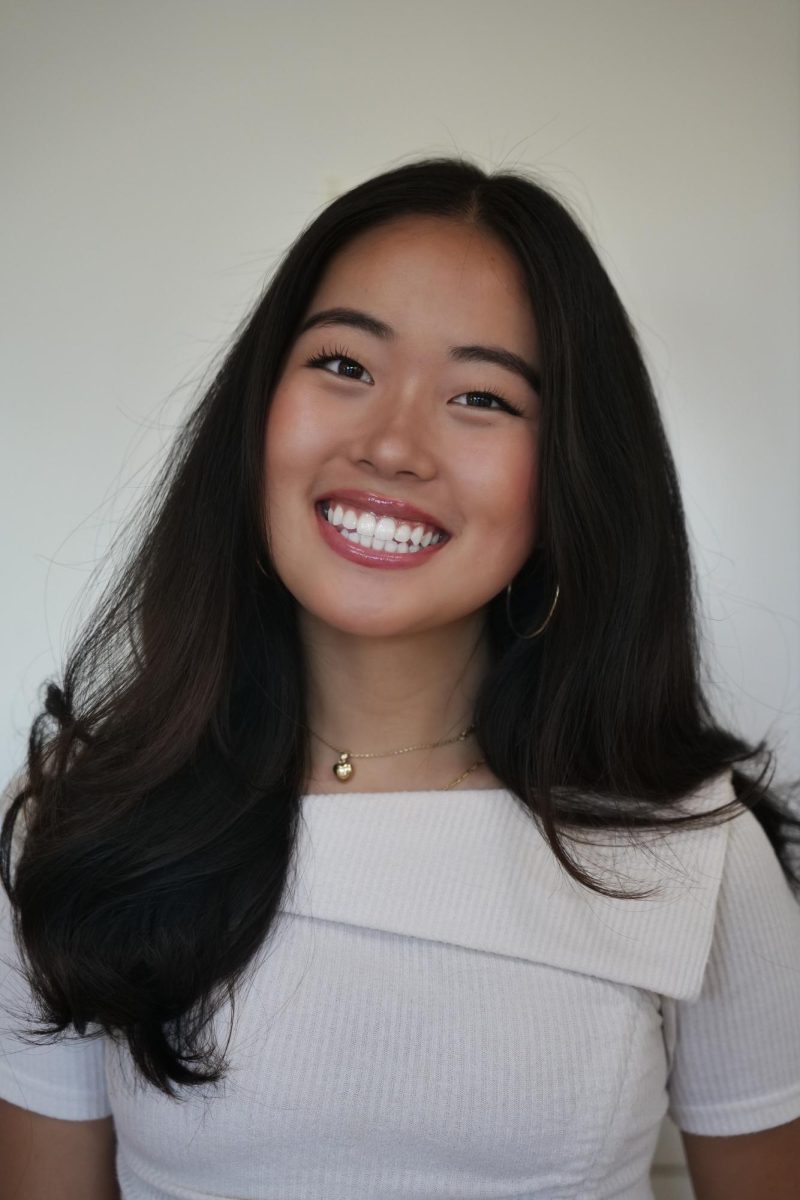
“They’re so dedicated, they really pour their all into it,” said Pearl Y.-L., one of the affinity group leads. “Their enthusiasm really helped bring everything together.”
The support provided by the parents—alongside the whole Neurodiversity Affinity Group and faculty advisors Gretchen Kellough and Lindy Jensen—helped expand the breadth of activities offered.
“We were trying to figure out a way to have events for every single person,” Pearl said. “We designed it to have a movie if you wanted to relax, or a hands-on simulation if you prefer to be tactile.”
One of the most impactful activities was a series of neurodiversity simulations designed to give neurotypical participants a glimpse into the experience of being neurodiverse. In one simulation, run by a student with dyscalculia, a math learning disability, participants were asked to solve what appeared to be simple arithmetic problems, but the numbers were reversed and had to be tracked in a new way.
“It was so joyful to us to hear [that] the student participants were like, ‘Oh, that made me understand [extended time] better. It’s because someone’s brain is actually processing the information differently,” Kellough said.
In fact, this was one of the organizers’ main goals of the week—to foster empathy and understanding across different ways of thinking and learning.
“That to me was the most meaningful aspect [about our programming]: to celebrate, to wrestle with experiences, to step in other people’s shoes,” Kellough said.
For Pearl, the event also offered a chance to share the more hidden parts of neurodiversity.
“I think a lot of people don’t actually know what [neurodiversity] looks like… I really wanted to get behind the invisible struggles,” she said. “It was very cathartic to be given the space to speak about something that I haven’t had the chance to [before]. Neurodiversity isn’t just about deficits, it’s also about strengths and different perspectives.”