





















Since the beginning of 2026, California has confirmed a total of nine cases of measles, including two cases from San Mateo County; both occurred in unvaccinated adults who traveled internationally. Amidst the national landscape of changing vaccine recommendations and increased local exposure, the risk for measles for unvaccinated individuals is now significantly higher than in recent years.
According to Tamta Mchedlishvili, a San Mateo County health department representative, measles is airborne and can remain in the air for two hours after an infected person coughs or sneezes.
“Measles spreads faster and more easily than almost any other virus,” Mchedlishvili explained in an email to The Nueva Current. “About nine out of ten people who are not immune will get sick if exposed. This means a small number of cases can turn into a large outbreak very quickly if action isn’t taken early.”
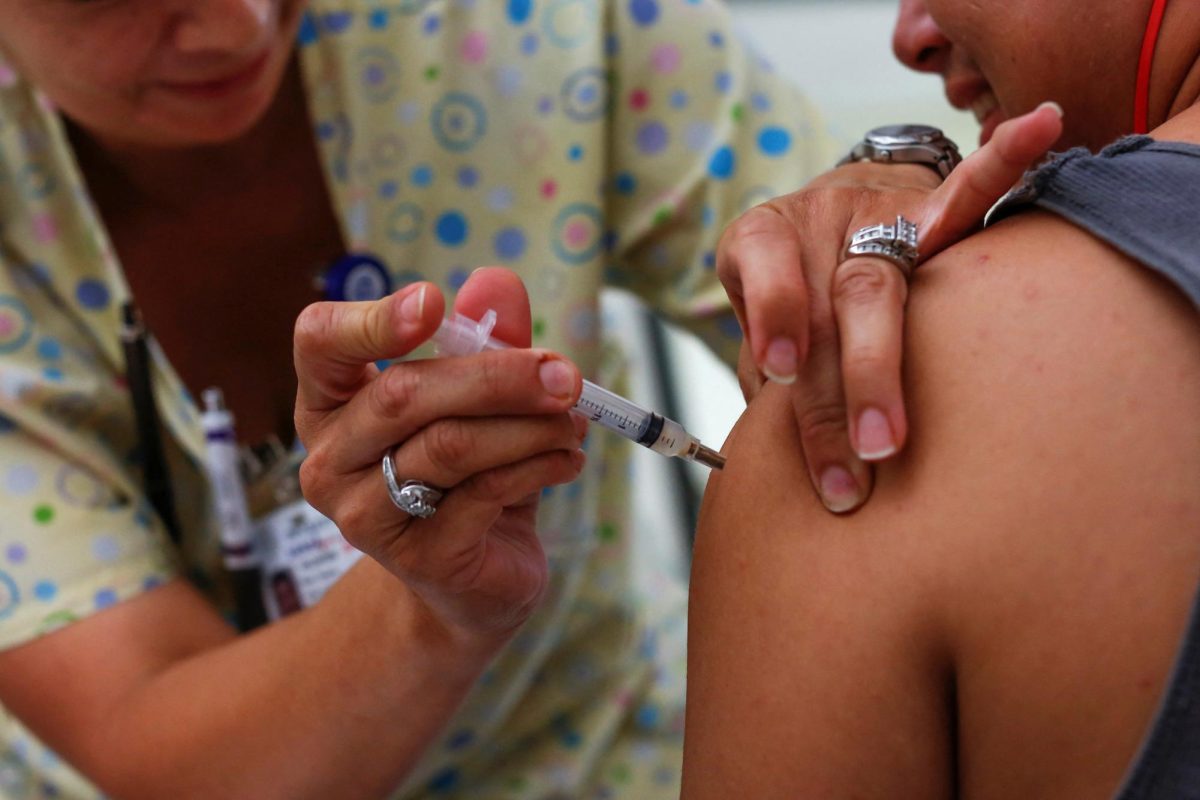
Local health officials like Mchedlishvili underscored that the MMR (Measles, Mumps, and Rubella) vaccination is the most effective way to prevent the spread of measles. The vaccine is about 97% effective, according to the California Department of Public Health.
On the flip side, not having the MMR vaccination can not only increase an individual’s vulnerability to measles but also that of other community members. Because immunocompromised people and babies under 12 months old are unable to be vaccinated for measles, these vulnerable populations depend entirely on herd immunity—widespread immunity through vaccination or previous infection—to stay safe.
For students in California’s in-person schools, the MMR vaccine is required. According to Mchedlishvili, the San Mateo County health department collaborates with regional schools to verify immunization records, provide guidance during potential outbreaks, and notify schools of potential exposure.
At Nueva, the nursing team keeps up to date on the latest state health guidelines and works to maintain a healthy community. The team is led by Lead School Nurse Phoebe Wargny, who confirmed that the Upper School has had no measles cases or potential exposures.
Wargny recognized that the school exists within a larger culture of vaccine skepticism, where national health organizations and leaders like Robert F. Kennedy Jr. are spreading misinformation about vaccines.
“When you have this volume of noise that says, ‘maybe [vaccines] aren’t so safe,’ it becomes really hard as an individual to know what to trust,” Wargny said.
As a professional nurse, Wargny is deeply supportive of the MMR vaccine based on scientific evidence of its efficacy and safety. “Measles is here, and the vaccine is safe,” she said. “I hope the folks that have withheld the vaccine from their children, or from themselves, will think about trusting their doctor’s advice.”
And though the school has not suffered any measles cases, Wargny also explained one hope for Nueva community members amidst flu season and the risk of other infectious diseases: if sick, stay home.
“If you’re sick, you should be resting,” Wargny said. “But I would love it if folks would take a minute and reframe [staying home] from a lens of supporting your community.”
As the Nueva community includes immunocompromised students and family members on immunosuppressant treatments, showing up to school with symptoms for any infectious disease—from the common cold to measles—can risk infecting and seriously harming vulnerable community members.
“We do need to also think about other people and care about our community as a whole,” Wargny said.