
























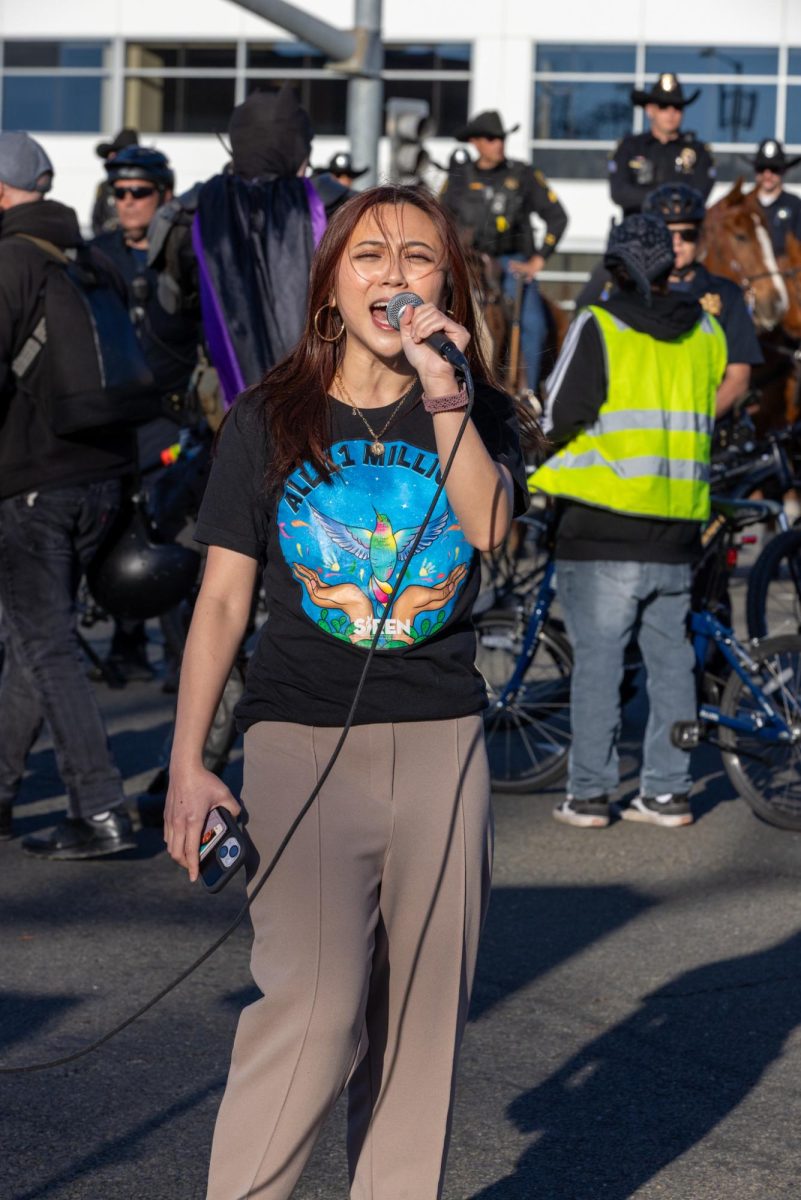
As teams of Immigration and Customs Enforcement (ICE) agents ramped up enforcement operations in cities nationwide, immigrant communities across the country are living in heightened fear.
That anxiety has extended to the Bay Area. Although Northern California has the nation’s lowest ICE arrest rate, at roughly 217 arrests per 100,000 noncitizens, the threat of detainment and deportation still looms large over local immigrant communities.
According to a report by immigrants rights organization Faith in Action (FIA), at least 153 residents of San Mateo County were detained by ICE in 2025, with about one in ten of those detained eventually released through the legal process. That figure squares with recent national trends: 13 of every 14 people detained were deported in 2025, compared to only one of two in 2024.
San Mateo immigration attorney Haitham Ballout said recent policy changes have further narrowed detainee’s options. In an interview over Zoom, Ballout noted that immigration judges can no longer release detainees on bond.
“It used to be that if you were not a threat to the community and you [would] not abscond, you should be able to be released,” Ballout said. “[Now,] you’re just going to be detained.”
This shift has intensified fear in everyday life for many immigrants. Concerns about legal representation are especially acute: unlike in criminal courts, immigration courts do not provide pro-bono lawyers. As a result, many detainees have to represent themselves before immigration judges in a system that legal experts describe as being complex and difficult to navigate.
For immigrant advocacy groups on the ground, that fear has shown up in the volume of calls they receive each day.
“We sometimes get hundreds of calls [a] day just [from] people scared of seeing people in a uniform—especially when ICE agents were operating under masks, under secrecy,” said Kimberly Woo, a member of the Santa Clara County Rapid Response Network, which monitors and verifies immigration enforcement activity.
False reports of ICE activity are among the most common drivers of fear in immigrant communities. The most frequent calls to FIA’s Rapid Response program—which tracks and investigates ICE activity—come from people who believe they have seen ICE agents in their neighborhood or heard rumors that federal agents have visited a local workplace or school. Nani Friedman, FIA’s research, policy, and communications organizer, noted that most reported sightings are false alarms. Still, she highlighted the potential for this kind of misinformation to spark widespread and damaging panic.
“While we do need to protect and share information with each other, what’s also really scary is the way [misinformation] encourages people to isolate,” Friedman said.
ICE activity across the country has led to a paralyzing fear in immigrant communities—though immigration enforcement in the Bay Area hasn’t exactly mirrored national trends, the perception of threat remains deeply disruptive.
“What we’re seeing is nothing like what’s happening in other parts of the country. We’re not seeing agents indiscriminately grabbing people off the street. We’re not seeing people being profiled based on race and the language that they’re speaking. We haven’t seen any raids. We are in a different situation right now,” Friedman reiterated. “That’s not to say things aren’t still really scary and concerning, but it’s important for people to have access to the information about what is happening locally so they can accurately assess how they want to live their lives.”
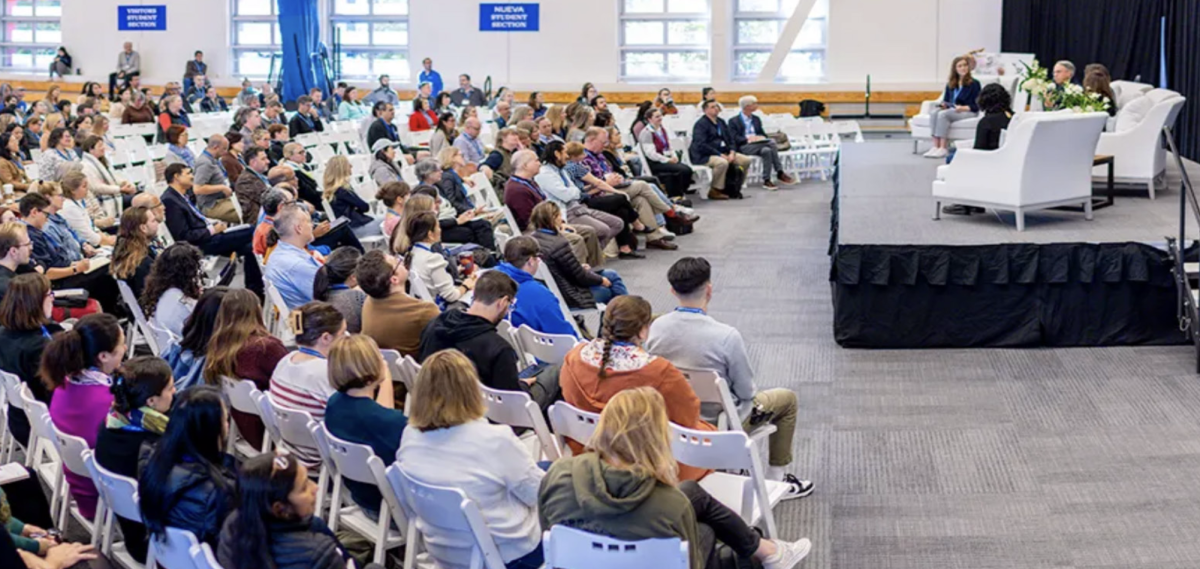
Despite the current climate of uncertainty, immigrant and non-immigrant communities alike have forged moments of solidarity.
“Everybody has the same hopes and fears. The more you talk to people, the more you realize that’s all that really matters,” said Steve Chamberlin, a community member engaged with three immigration-related organizations.
In a time defined by fear, isolation, and unpredictability, it’s precisely this kind of community resilience that remains crucial to maintaining a sense of belonging.
“[We’re] trying to ensure that we have spaces of joy and healing to be there for each other, because this movement is long,” Woo said. “We have to be there for each other in more ways than just one. I would really encourage people to join local networks, spread the word, do Know Your Rights canvassing, [and] get to know your neighbors, because if something does happen, we need to be there for each other.”
Friedman echoed the call: “Fear has been here before. Fear will continue to be here. The question is, how do we support each other through [this] time?”